
Key facts: Preparing for termite treatment
In this guide
- 1Preparation: the short answer
- 2Preparing outside
- 3Prep figure
- 4Preparing inside
- 5Extra steps for a liquid treatment
- 6Extra steps for bait stations
- 7Extra steps for drywood treatments
- 8Questions to ask before treatment day
- 9After the crew leaves
- 10Preparing a slab home for treatment
- 11Preparing a raised house for treatment
- 12Preparing for bait installation
- 13Letting neighbors know
- 14Keeping the paperwork together
- 15Pets, children and treatment day
- 16Plants and beds along the foundation
- 17Food, fish tanks and indoor work
- 18Planning the day around access
- 19Questions to ask after treatment
- 20Preparing the garage
- 21If whole-house fumigation is planned
- 22Utilities during treatment
- 23Marking sprinklers and buried lines
- 24Moving cars and clearing the driveway
- 25Questions about preparing for treatment
The short answer
Preparation: the short answer
Clear access to the foundation outside and to garage walls, plumbing areas and crawlspace openings inside. Move stored items away from walls. Tell the professional about pets, wells, ponds, gardens and anyone in the home with health concerns. Ask what the plan is and how long the work will take.
Outside the house
Preparing outside
- Pull mulch and rock back from the foundation if asked.
- Trim shrubs touching the house.
- Move firewood, lumber and planters away from walls.
- Mark sprinkler heads and irrigation lines near the foundation.
- Unlock gates and side yards.
Prep figure
Inside the house
Preparing inside
- Clear access to garage walls and expansion joints.
- Empty the area under bathroom and kitchen sinks if asked.
- Open access to bath traps and crawlspace hatches.
- Move furniture from exterior walls where drilling is planned.
- Keep pets in a separate room or away during work.
For liquid treatments
Extra steps for a liquid treatment
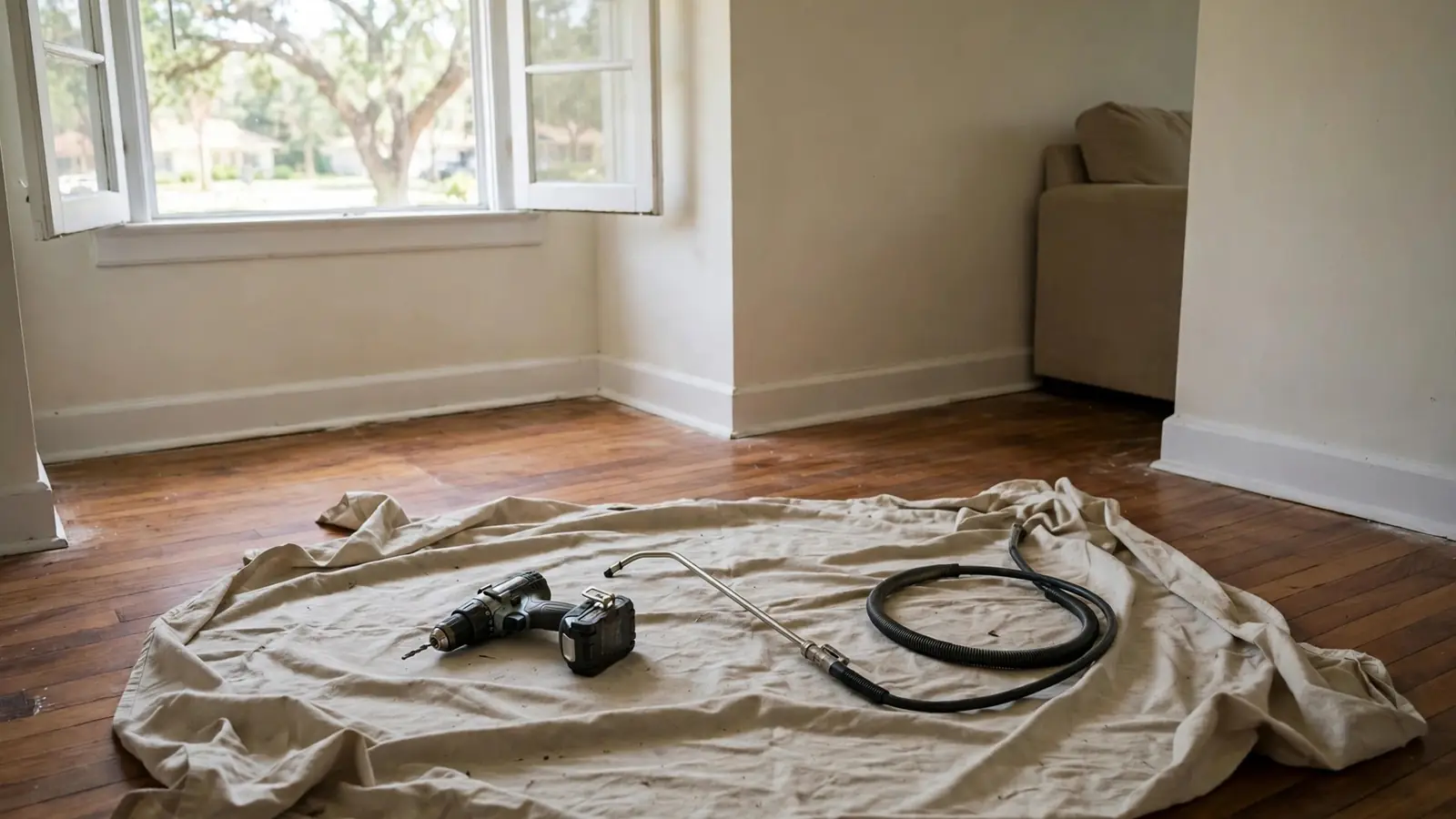
Liquid treatments involve trenching and drilling. Tell the professional about wells, cisterns, ponds, fish tanks, edible gardens and plumbing in the slab. Keep children and pets away from treated soil until it dries. Ask whether you should cover fish tanks or turn off air pumps during interior work.
For bait stations
Extra steps for bait stations
Bait installation is less disruptive. Mark sprinkler lines and underground utilities you know about so stations avoid them. Plan where you want to keep landscaping beds, and ask where stations will go.
For drywood treatments
Extra steps for drywood treatments
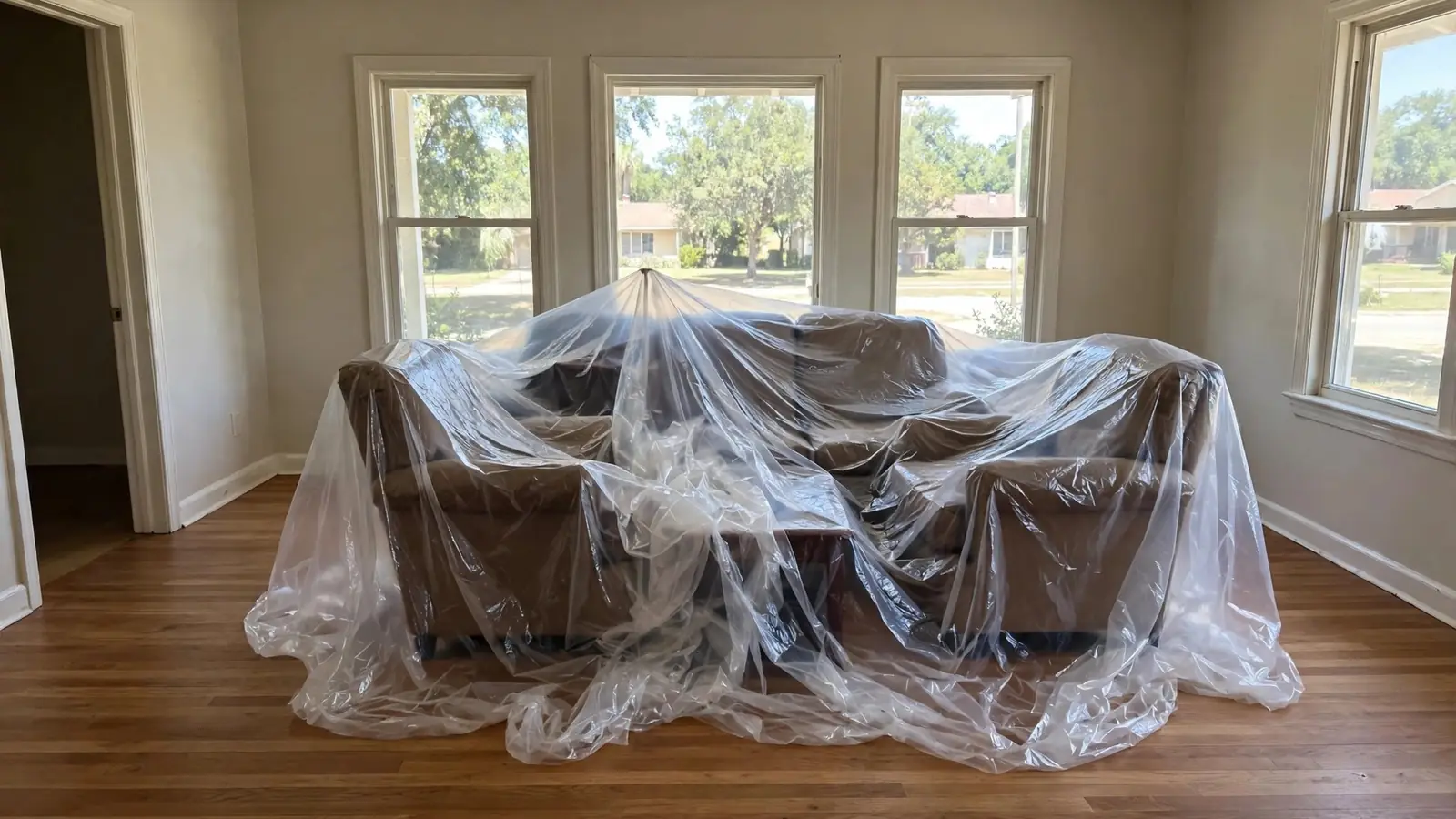
Localized drywood treatments may involve drilling small holes in wood. Whole-structure fumigation requires everyone, including pets and plants, to leave, and food and medicines to be sealed or removed. The professional provides detailed instructions if fumigation is planned.
Questions to ask
Questions to ask before treatment day
- 1
Method
Which treatment and why?
- 2
Product
What product, and can I see the label?
- 3
Areas
Where will you drill or trench?
- 4
Timing
How long will it take?
- 5
Follow-up
What monitoring or retreatment terms apply?
After treatment
After the crew leaves
Avoid disturbing treated soil along the foundation. Do not replant beds against the house without asking. Expect some swarmers or tubes for a while as termites contact the treatment. Keep records of the treatment and any warranty.
Preparing a slab home
Preparing a slab home for treatment
For slab homes, clear the perimeter so the technician can trench along exposed soil. Move vehicles off driveways that will be drilled. Inside, the technician may need access to bathrooms with bath traps, which are sometimes behind a small panel in a closet or wall. Clear the area in front of those panels. If interior drilling is planned, move rugs and furniture from the areas involved.
Preparing a raised home
Preparing a raised house for treatment
For pier-and-beam houses, clear the crawlspace entrance and remove stored items from under the house if possible. Make sure the technician can reach all sides. Move potted plants, hoses and decorations from along the skirting. Tell the technician about any pets that might wander into the crawlspace.
Preparing for bait installation
Preparing for bait installation
Mark irrigation lines, invisible dog fences and other buried items near the house, so stations avoid them. Decide which beds you would rather keep undisturbed. Make gates accessible for future monitoring visits.
Neighbors and notice
Letting neighbors know
If treatment involves trenching near a shared fence or drilling a shared driveway, let neighbors know. In townhomes, tell the association. Neighbors appreciate notice about noise and work near property lines.
Call about this problem
Questions about preparing for termite treatment?
One call connects you with an independent termite treatment contractor who serves Houston.
Keeping records
Keeping the paperwork together
Ask for the written plan, product name, diagram of treated areas and service agreement. File them with your house records for future reference and resale.
Pets and kids
Pets, children and treatment day
Keep pets indoors or in a separate area of the yard during treatment. After a liquid treatment, keep children and pets off treated soil until it is dry. Ask the professional about any other precautions for your household, including anyone with health conditions or sensitivities.
Plants and beds
Plants and beds along the foundation
Trenching along the foundation can disturb roots of shrubs and flowers planted close to the house. Ask the technician how they will handle beds. You may want to move small plants or containers before the visit. Afterward, replant with care, keeping mulch thin and away from the slab edge.
Food and fish tanks
Food, fish tanks and indoor work
If interior drilling or treatment is planned, keep food covered and away from work areas. Cover fish tanks and turn off air pumps during interior work if the technician recommends it. Ventilate rooms afterward as advised.
Schedule and access
Planning the day around access
Ask how long the work will take and whether you need to be home. Arrange for gates to be open, dogs secured and vehicles moved. If the technician needs access to every room with plumbing through the slab, plan to be there to open doors.
Questions after treatment
Questions to ask after treatment
Before the technician leaves, ask what areas were treated, whether anything could not be treated, when you can replant or mulch, what signs to watch for, and when the next inspection or monitoring visit will be. Ask for the paperwork before they go.
Garage preparation
Preparing the garage
Pull stored items at least a couple of feet away from garage walls, especially boxes and lumber. Clear the joint between the garage and house slabs. Move cars out if the garage floor or apron will be drilled.
Fumigation preparation
If whole-house fumigation is planned
Fumigation for drywood termites is a bigger undertaking. The house is covered and sealed, and everyone, including pets and houseplants, must leave for a set period. Food, medicine and some household items must be sealed in special bags or removed. The professional provides a detailed checklist and will tell you when it is safe to return. Follow it exactly.
Utilities and gas
Utilities during treatment
For most liquid and bait treatments, utilities stay on. For fumigation, gas service may need to be shut off and relit afterward. Ask whether anything needs to be turned off.
Mark sprinklers
Marking sprinklers and buried lines
Push small flags next to sprinkler heads, valve boxes and any buried lines near the foundation. Trenching and drilling crews can then avoid cutting them.
Cars and driveways
Moving cars and clearing the driveway
If the driveway or garage apron will be drilled, park on the street that day so the crew can reach the whole edge of the concrete.
Prep questions
Questions about preparing for treatment
Do I need to leave during treatment?
Usually not for liquid or bait treatments. Fumigation requires leaving.
Should I remove all mulch?
Pull it back from the foundation if asked; a clear strip helps long term.
What about my vegetable garden?
Mention it on the call so the plan accounts for it.
What should I tell the professional?
Pets, wells, ponds, gardens, health concerns and access limits.