
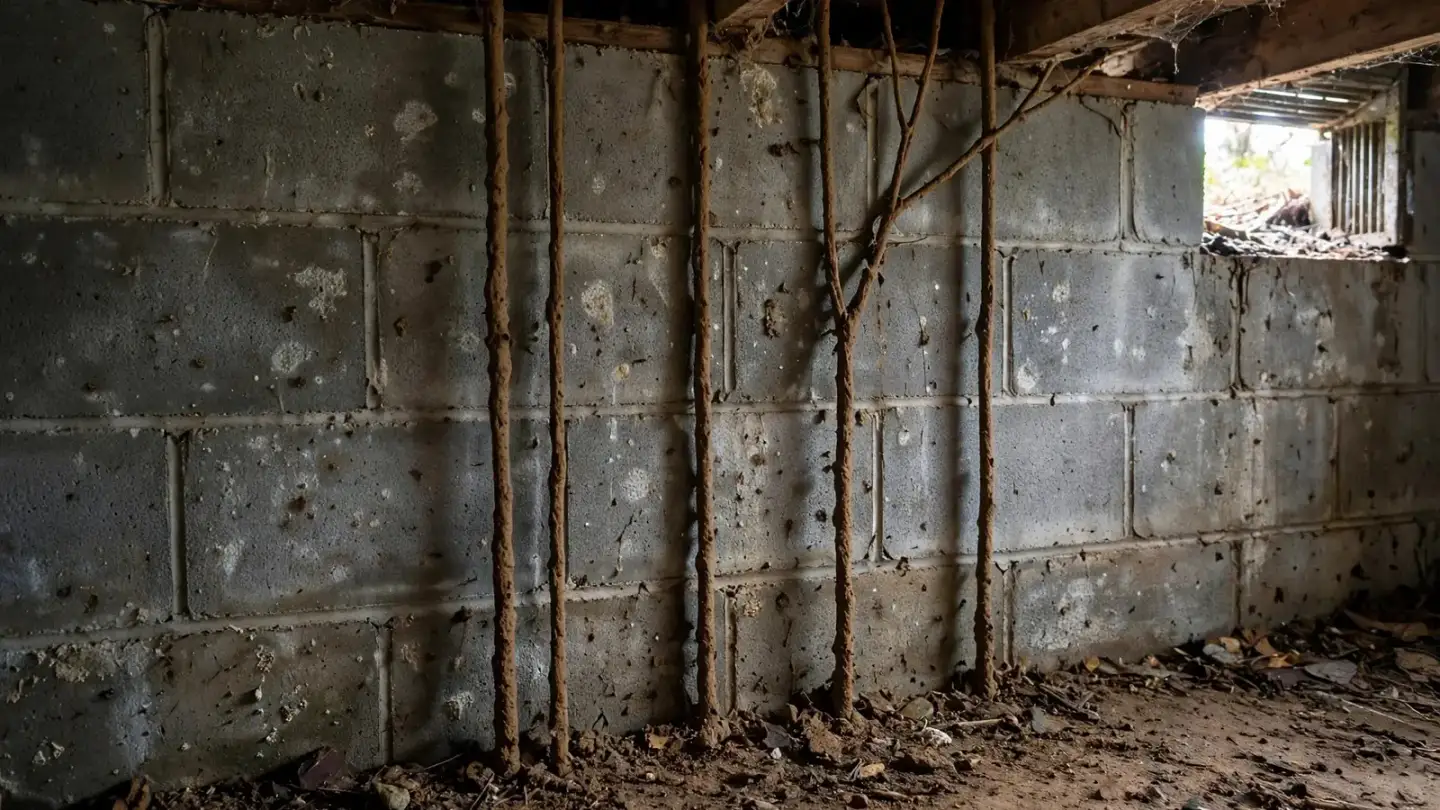
Key facts: Mud tubes on the foundation
In this guide
- 1Mud tubes: the short answer
- 2Why termites build mud tubes
- 3Tube figure
- 4Kinds of mud tubes
- 5How to tell if tubes are active
- 6Where tubes show up on Houston homes
- 7What to do after finding tubes
- 8What happens next
- 9Tubes hidden behind brick veneer
- 10Tubes in garages and at expansion joints
- 11Tubes on piers in crawlspaces
- 12Tubes after treatment
- 13Keeping the slab edge visible
- 14Tubes on interior walls and ceilings
- 15Things that look like mud tubes
- 16Why tubes cluster near moisture
- 17Photographing tubes for the professional
- 18When neighbors find tubes too
- 19Tubes coming out of slab cracks
- 20Why not to spray tubes yourself
- 21What tube size can tell you
- 22Questions about mud tubes
The short answer
Mud tubes: the short answer
Mud tubes are tunnels of soil, saliva and droppings that subterranean termites build to move between soil and wood. Finding them on your foundation means termites have been there. Whether they are active now can be checked by breaking a small section and seeing if it is repaired. Either way, a professional inspection is the next step.
Why they build tubes
Why termites build mud tubes
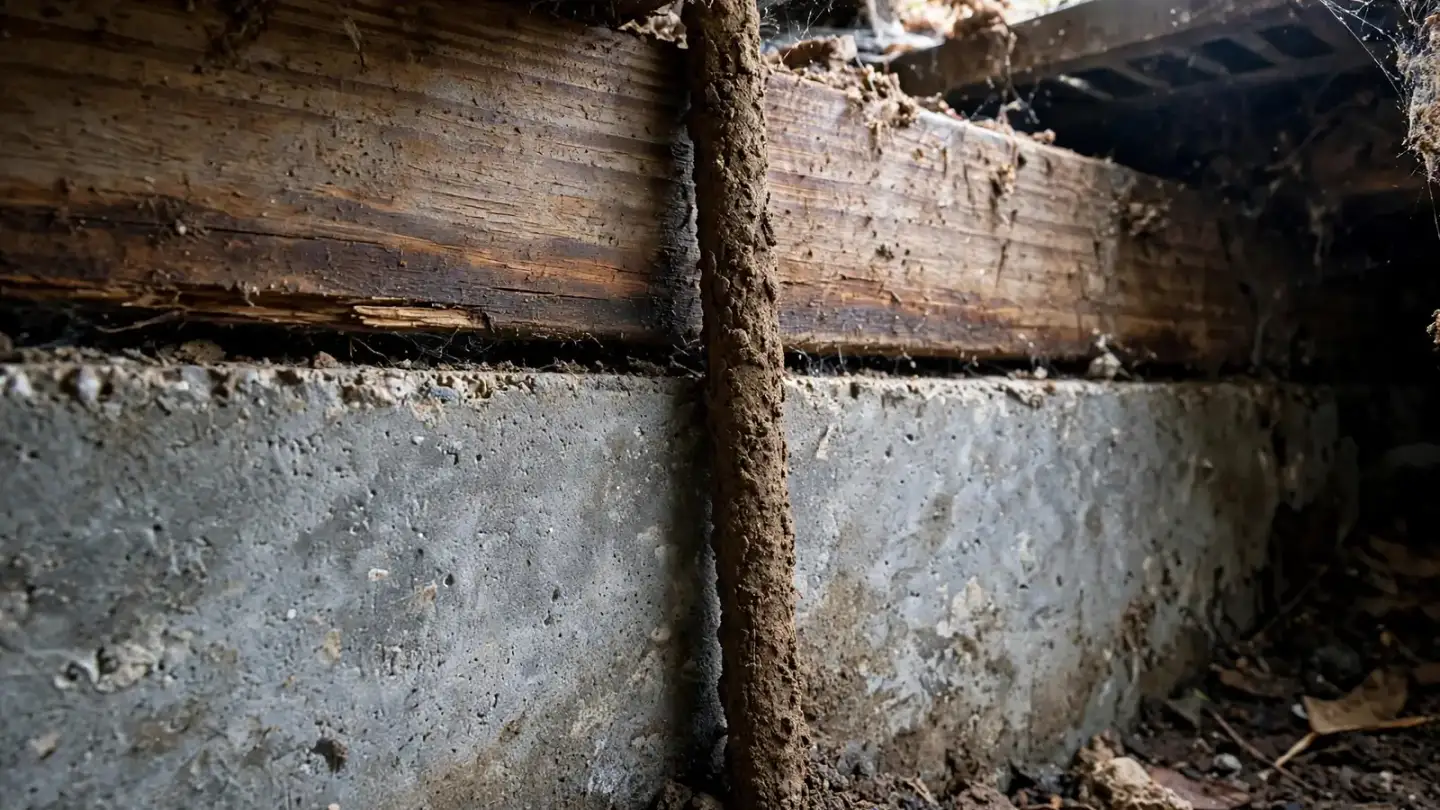
Subterranean termites have soft bodies that dry out quickly. They need humid conditions, so they travel underground or inside wood. When they must cross concrete, brick or other surfaces, they build tubes to stay protected. On a Houston slab house, tubes often run up the exposed slab edge to the sill plate or siding. On a pier-and-beam house, they run up piers to the beams.
Tube figure
Kinds of tubes
Kinds of mud tubes
- Working tubesWide tubes running from soil to wood, used for travel.
- Exploratory tubesThin, branching tubes reaching out from the soil.
- Drop tubesTubes hanging down from wood toward the soil.
- Swarm tubesShort tubes built for swarmers to exit.
Are they active
How to tell if tubes are active
Break a small section of tube, a few inches long, and look inside. If you see small pale insects, termites are active. If the tube is empty, check back after a few days. Rebuilt tubes indicate activity. Old, dry tubes that crumble and are never rebuilt may be from past activity, possibly before a treatment. Note the spot and tell the professional.
Where to look
Where tubes show up on Houston homes
Look along the slab edge, especially behind shrubs and under mulch, at expansion joints in the garage, around plumbing and air conditioning lines entering the house, on piers and beams in crawlspaces, and on brick ledges. Tubes can also appear inside on walls, in closets or behind baseboards.
What to do
What to do after finding tubes
- 1
Leave most of the tube
Break only a small test section.
- 2
Photograph it
Note location and length.
- 3
Check for moisture
Look for nearby leaks or wet soil.
- 4
Call
Arrange an inspection.
Treatment after tubes
What happens next
If termites are active, a professional will usually recommend a liquid barrier treatment, bait stations or both. Tubes are left in place until treatment is done, then removed so any new activity is easy to spot. Fixing moisture sources near the tubes helps keep termites away.
Tubes in garages
Tubes in garages and at expansion joints
Garage slabs often meet the house slab at an expansion joint, a strip of fiber or foam between the two pours. Termites can come up through that joint and build tubes on the garage wall. Stored boxes, shelving and tools hide them. Clearing the base of garage walls once in a while makes tubes easy to spot.
Tubes on piers
Tubes on piers in crawlspaces
Under raised houses, termites build tubes up brick or concrete piers to reach beams. Wooden piers may be eaten from inside without visible tubes. Crawlspace tubes can be long and branching. Checking piers with a flashlight from the crawlspace opening, if you cannot safely go in, may still reveal tubes on nearby piers.
Tubes after treatment
Tubes after treatment
After treatment, termites inside tubes may die off and tubes may be abandoned. Professionals often remove tubes after treatment so any new ones are easy to see. If new tubes appear, call the professional to check the treated zone.
Call about this problem
Questions about mud tubes on the foundation?
One call connects you with an independent termite treatment contractor who serves Houston.
Keeping tubes visible
Keeping the slab edge visible
The single most useful habit is keeping a few inches of slab edge or brick ledge visible all around the house. That means no soil, mulch or pavers piled above it. A visible edge makes new tubes obvious during a quick walk around the house.
Tubes inside the house
Tubes on interior walls and ceilings
Inside, tubes can appear running up drywall, along baseboards, out of cracks in tile floors or hanging from ceilings. Interior tubes usually mean termites are well established. Leave them in place for the professional, take photos and avoid spraying them, which can scatter termites into other areas.
Tubes versus other things
Things that look like mud tubes
Mud dauber wasp nests are tube-like but usually on eaves and walls well above ground, in clusters of short tubes. Dried mud from splashing rain can streak foundations. Tree roots and vines leave lines too. Termite tubes are flattened, about pencil width, gritty and connect soil to wood. Breaking one shows a hollow channel inside.
Tubes and moisture
Why tubes cluster near moisture
Tubes often appear near hose bibs, air conditioner drains, downspouts and plumbing penetrations, because termites need moisture and these spots stay damp. Fixing leaks and redirecting water reduces the appeal of those spots.
Photographing tubes
Photographing tubes for the professional
Take a wide photo showing where on the house the tube is, and a close photo with a coin or tape measure for scale. Note the date. If you break a section, photograph it again a few days later.
Neighbors with tubes
When neighbors find tubes too
Colonies span property lines, so neighbors finding tubes is a reason to check your own foundation closely.
Tubes and slab cracks
Tubes coming out of slab cracks
Indoors, termites can build short tubes up from cracks in a slab, under carpet or at the edge of tile. Pulling back carpet at a corner sometimes reveals them. Such tubes mean termites are coming straight up through the slab, which the professional will treat at that spot.
Do not spray tubes
Why not to spray tubes yourself
Spraying store insecticide into a tube kills a few termites but leaves the colony untouched and can push foragers to build new tubes somewhere harder to find. Leave treatment to the professional so the colony is targeted.
Tube width
What tube size can tell you
Narrow exploratory tubes suggest termites are searching; wide, well-used tubes suggest an established route to wood.
Tube questions
Questions about mud tubes
Should I knock down all the tubes?
Break a small section to check for activity, but leave the rest for the inspector.
Can mud tubes appear inside the house?
Yes, on walls, in closets or behind baseboards.
Are old tubes a problem?
They show past activity. An inspection confirms whether termites have returned.
What should I tell the professional?
Where the tubes are, how long, and whether they were rebuilt after you broke them.