
Key facts: Garden Oaks and Oak Forest
In this page
- 1Garden Oaks and Oak Forest ZIP code covered
- 2What homes here are like
- 3What termite professionals see here
- 4Big trees, stumps and old roots
- 5Garden Oaks figure
- 6Teardowns, new construction and neighbors
- 7Mid-century slab homes
- 8Mulch beds and landscaping
- 9Treatment options for these neighborhoods
- 10Planning a termite visit in Garden Oaks or Oak Forest
- 11Garden Oaks and Oak Forest situations
- 12How Garden Oaks and Oak Forest began
- 13Signs owners notice first here
- 14Original cottages on piers
- 15Ranches on slabs in Oak Forest
- 16Large back yards and wood piles
- 17Drainage under heavy tree cover
- 18Living next to new construction
- 19Healthy trees and termite risk
- 20What to do when swarmers appear in Garden Oaks or Oak Forest
- 21What treatment day looks like on a wooded lot
- 22Choosing a termite professional for a wooded lot
- 23Oak Forest's many sections
- 24Everyday habits for wooded lots
- 25Insurance and termite damage
- 26A year of termite awareness under the trees
- 27Gardens, raised beds and edging
- 28Talking with neighbors during teardowns
- 29How termites move through a slab ranch here
- 30How termites move through a raised cottage here
- 31Repairs after termites on these lots
- 32Learning from neighbors' experience
- 33A room-by-room check for ranch owners
- 34Common beliefs about termites in wooded neighborhoods
- 35Questions to ask on a call from Garden Oaks or Oak Forest
- 36First steps after buying here
- 37Large lots and longer perimeters
- 38Pecan trees and yard debris
- 39Sheds, playsets and treehouses
- 40Drainage on flat, wooded lots
- 41Detached and older garages
- 42A simple spring checklist for these neighborhoods
- 43Family homes and additions in Oak Forest
- 44Deed restrictions and large lots
- 45Mid-century windows and doors
- 46Second stories added over ranches
- 47Open ditches and culverts
- 48Civic clubs and shared information
- 49Firewood on wooded lots
- 50Utility poles and wooden structures
- 51New skirting on old cottages
- 52Compost and leaf piles
- 53More questions from Garden Oaks and Oak Forest owners
- 54Questions about termites here
Garden Oaks coverage
Garden Oaks and Oak Forest ZIP code covered
This ZIP code covers both neighborhoods on the network's list. Coverage is revised now and then, so confirm when you call.
- 77018: Garden Oaks, Oak Forest and nearby streets north of the Heights.
Garden Oaks and Oak Forest housing
What homes here are like
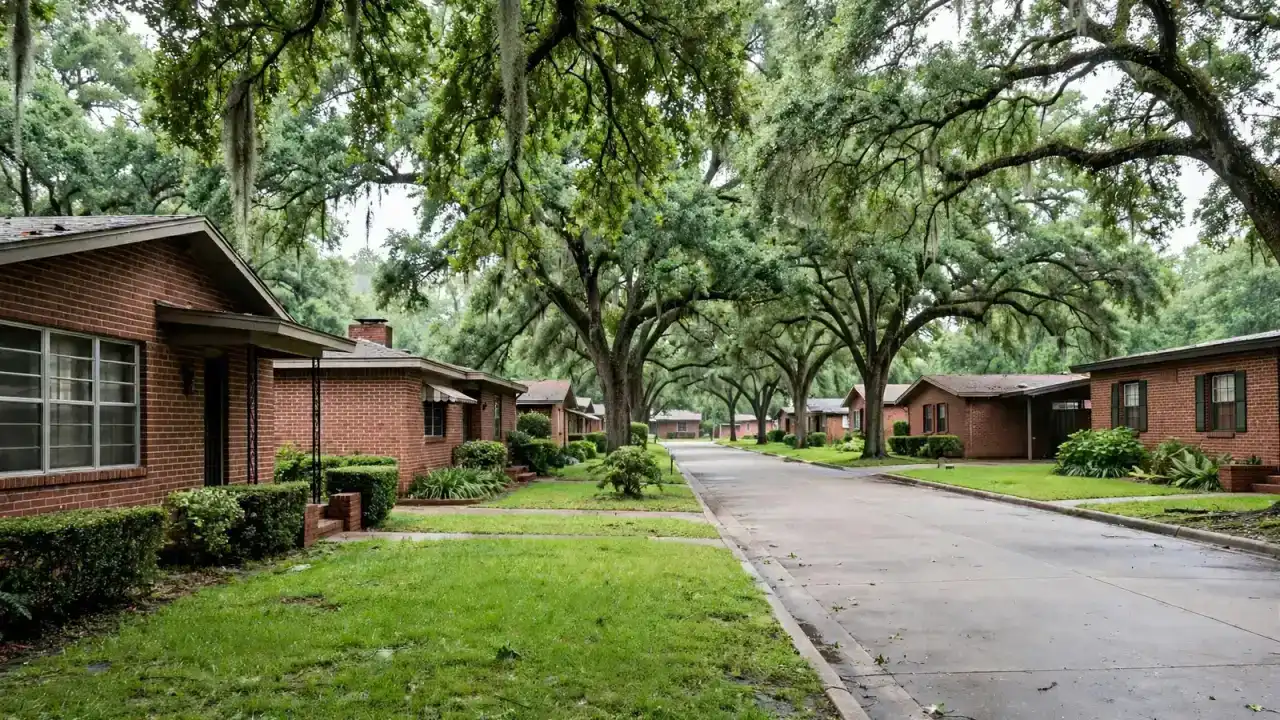
Garden Oaks was begun by Edward L. Crain in 1937 north of the Heights, with large lots, many of them heavily wooded. Frank Sharp's company began Oak Forest in 1947, and it grew into one of the largest groups of subdivisions in Harris County. Original homes include cottages, bungalows and ranches, some on piers and many on slabs.
In recent decades, many original homes have been torn down and replaced with larger two-story houses, while neighbors keep their originals. A single street can hold a 1940s cottage on piers, a 1950s slab ranch and a new build.
Garden Oaks termite risks
What termite professionals see here
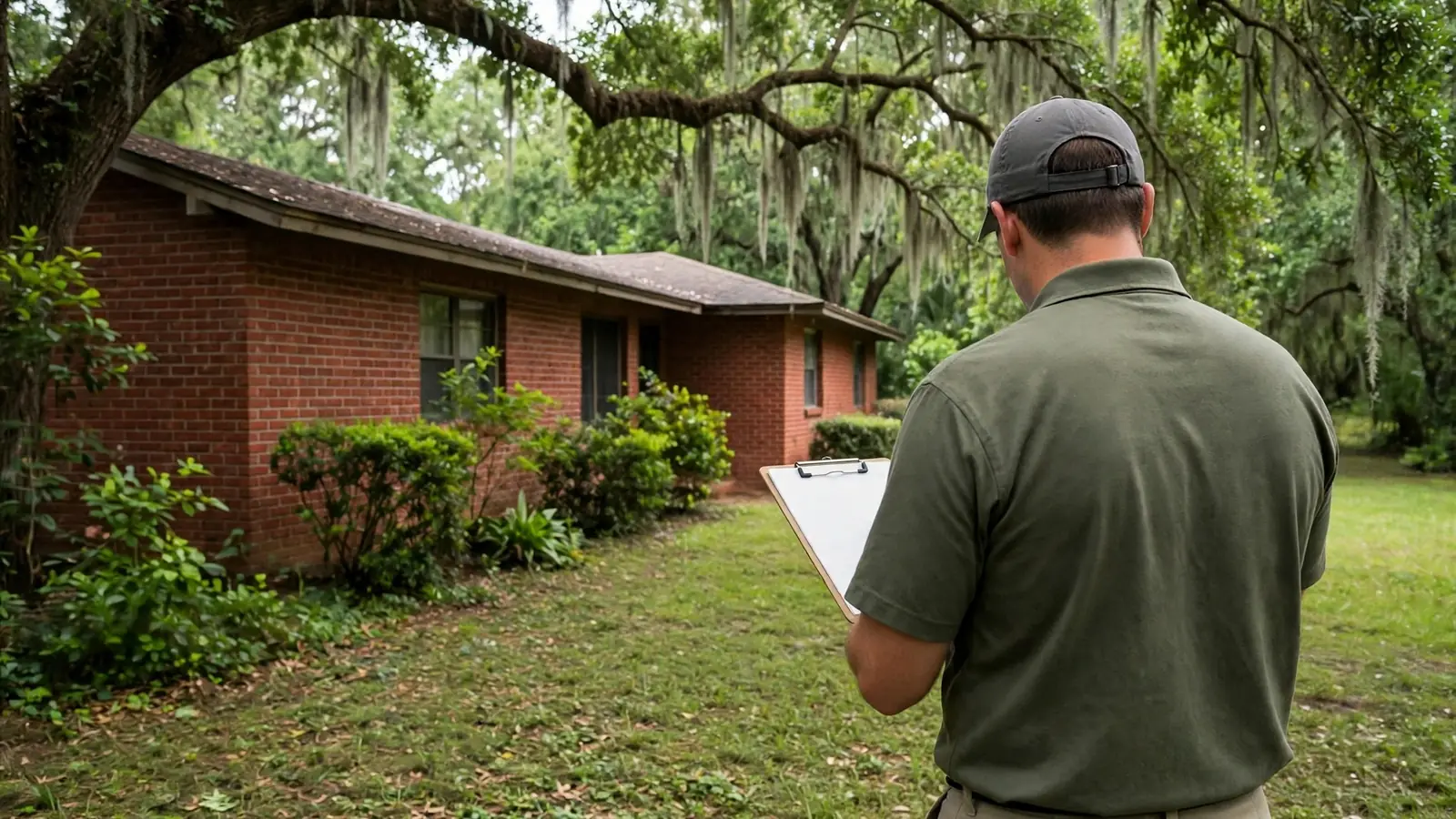
Common findings in Garden Oaks and Oak Forest include these.
Stumps and roots
Colonies feed on decaying wood near the house.
Read moreMulch and shade
Deep mulch beds stay moist under trees.
Read moreConstruction disturbance
Teardowns stir up colonies next door.
Read moreOlder slab ranches
Cracks and plumbing gaps in mid-century slabs.
Read more
Wooded lots
Big trees, stumps and old roots
The trees that define these neighborhoods also feed termites. Dead branches, stumps from removed trees and decaying roots are natural food sources, and colonies living in them can expand toward houses. Pines, oaks and pecans drop limbs in storms. Removing stumps and wood debris near the house, and keeping firewood away from walls, reduces nearby food.
Garden Oaks figure
Teardowns and new builds
Teardowns, new construction and neighbors
When a house is demolished, its colonies do not vanish. Termites in the soil and old wood may move to nearby houses. Construction disturbs soil, leaves wood scraps and can break treated zones along neighboring foundations. New homes are usually pretreated during construction, but owners of neighboring older houses should watch for new activity after a teardown nearby.
Mid-century slabs
Mid-century slab homes
Ranches from the 1940s and 1950s often sit on slabs with cracks that have opened over decades of clay soil movement. Termites can enter through those cracks, through expansion joints and around plumbing pipes. Bathrooms with bath traps, open areas under the tub drain, are a common entry point.
Mulch and landscaping
Mulch beds and landscaping
Many owners keep deep mulch beds under trees and along foundations. Mulch holds moisture and can hide the slab edge, letting termites cross unseen. Keeping a strip near the foundation clear and mulch thin helps.
Treatment options
Treatment options for these neighborhoods
Liquid treatment along the perimeter suits many homes. Bait stations suit wooded lots where trenching would cut tree roots or disturb landscaping. Formosan activity may call for both. New builds may have pretreatment records worth reviewing.
Planning a visit
Planning a termite visit in Garden Oaks or Oak Forest
- 1
Stumps
Point out stumps and wood piles near the house.
- 2
Mulch
Pull mulch back from the foundation if asked.
- 3
Neighbors
Mention any nearby teardowns.
- 4
Foundation
Note whether the house is on piers or a slab.
- 5
Bath traps
Clear access under tubs if possible.
Situations
Garden Oaks and Oak Forest situations
| Situation | Typical response |
|---|---|
| Termites in a nearby stump | Remove stump; inspect house |
| Tubes under mulch | Clear mulch and treat |
| Swarmers after teardown next door | Inspection |
| Crack in slab ranch | Liquid treatment at crack |
| Wooded lot with roots | Baits often considered |
Crain and Sharp
How Garden Oaks and Oak Forest began
Edward L. Crain laid out Garden Oaks in 1937 with large lots, some big enough for gardens and small orchards, on wooded land north of the Heights. A decade later, Frank Sharp started Oak Forest, which grew section by section into one of the largest groups of subdivisions in Harris County, built for families after the war. Both neighborhoods kept many of their trees, which now tower over streets and back yards.
Signs owners notice
Signs owners notice first here
Owners often notice termites in spring swarms around porch lights or windows, in mud tubes on the slab edge behind shrubs, or in old stumps and fallen limbs in the yard. Inside, baseboards near bathrooms and exterior doors may show damage. In raised cottages, floors near exterior walls may feel soft.
Cottages on piers
Original cottages on piers
Some of Garden Oaks' original cottages and bungalows sit on piers with crawlspaces. They face the same risks as raised houses elsewhere: wood close to the soil, damp crawlspaces and old repairs. Inspecting the crawlspace and treating around piers are common steps.
Ranches on slabs
Ranches on slabs in Oak Forest
Much of Oak Forest consists of ranch houses on slabs from the late 1940s and 1950s. Decades of soil movement have cracked many slabs, and bathrooms often have bath traps. Termites enter through cracks, joints and plumbing gaps. Inspections focus on wet rooms, the garage and the slab edge.
Large back yards
Large back yards and wood piles
Big back yards hold sheds, fences, play structures, raised beds and wood piles. Each is potential termite food. Keep firewood off the ground and away from the house, use treated or composite materials for raised beds near the house, and check sheds during inspections.
Drainage on wooded lots
Drainage under heavy tree cover
Heavy shade keeps soil moist, and leaves clog gutters. Overflowing gutters and downspouts emptying at the foundation keep soil wet against the house. Clean gutters regularly, especially in fall, and direct water away from the slab or crawlspace.
Construction and soil disturbance
Living next to new construction
With many teardowns underway, owners of older homes often live next to construction for months. Excavation and grading disturb soil and colonies; builders may leave wood scraps and stumps. After nearby construction finishes, an inspection can catch any activity that moved toward your house.
Keeping trees healthy
Healthy trees and termite risk
Healthy living trees are rarely the target of subterranean termites, which favor dead and decaying wood. Removing dead limbs and stumps, and keeping trees healthy, reduces food sources near the house without sacrificing the canopy that defines these neighborhoods.
During a swarm
What to do when swarmers appear in Garden Oaks or Oak Forest
Under heavy tree cover, swarms can come from stumps and fallen limbs as well as houses. If swarmers appear outside only, note where: from a stump, a fence post or the ground near the slab. If they appear inside, close the room, vacuum, save samples and note the spot. Inside swarms in a slab ranch often trace back to a bathroom or a crack. Avoid spraying and call to arrange an inspection.
Treatment day here
What treatment day looks like on a wooded lot
On a wooded Garden Oaks or Oak Forest lot, crews work around tree roots, beds and large shrubs along the foundation. Trenching near big roots is done carefully; in some spots, drilling or baits may be used instead to avoid root damage. Slab ranches get drilling at patios, driveways and bath traps. Cottages on piers get trenching around piers. Expect the crew to move mulch and replace it, though a thinner layer away from the slab edge is better afterward.
Choosing who to call
Choosing a termite professional for a wooded lot
Ask how the professional protects tree roots during trenching, whether they recommend baits for root-heavy areas and how they handle stumps and debris. Ask whether they inspect sheds and detached garages. Get license numbers and a written plan.
Oak Forest sections
Oak Forest's many sections
Oak Forest was built in sections over several years, and construction details vary from one section to another. Some streets have more slab ranches, others more raised cottages or later two-story houses. Knowing your section and the year your house was built helps the inspector anticipate entry points.
Prevention habits
Everyday habits for wooded lots
Under heavy canopy, prevention means managing wood and moisture. Remove fallen limbs promptly. Grind stumps near the house. Keep firewood stacked off the ground and well away. Clean gutters after leaf drop and pollen season. Keep mulch thin and a few inches below the slab edge. Leave a gap between fences and the house. Walk the slab edge each spring, pushing back plants to look for tubes.
Insurance here
Insurance and termite damage
Policies usually exclude termite damage. In neighborhoods where older homes sit beside new construction and colonies may shift, regular inspections and documented treatment are the best protection. Keep records for future sales.
Seasons here
A year of termite awareness under the trees
Spring brings swarms from stumps, trees and houses. Summer storms bring down limbs that become termite food if left. Fall leaf drop fills gutters. Winter is a good time to grind stumps, clear debris and schedule inspections before spring.
Garden Oaks gardens
Gardens, raised beds and edging
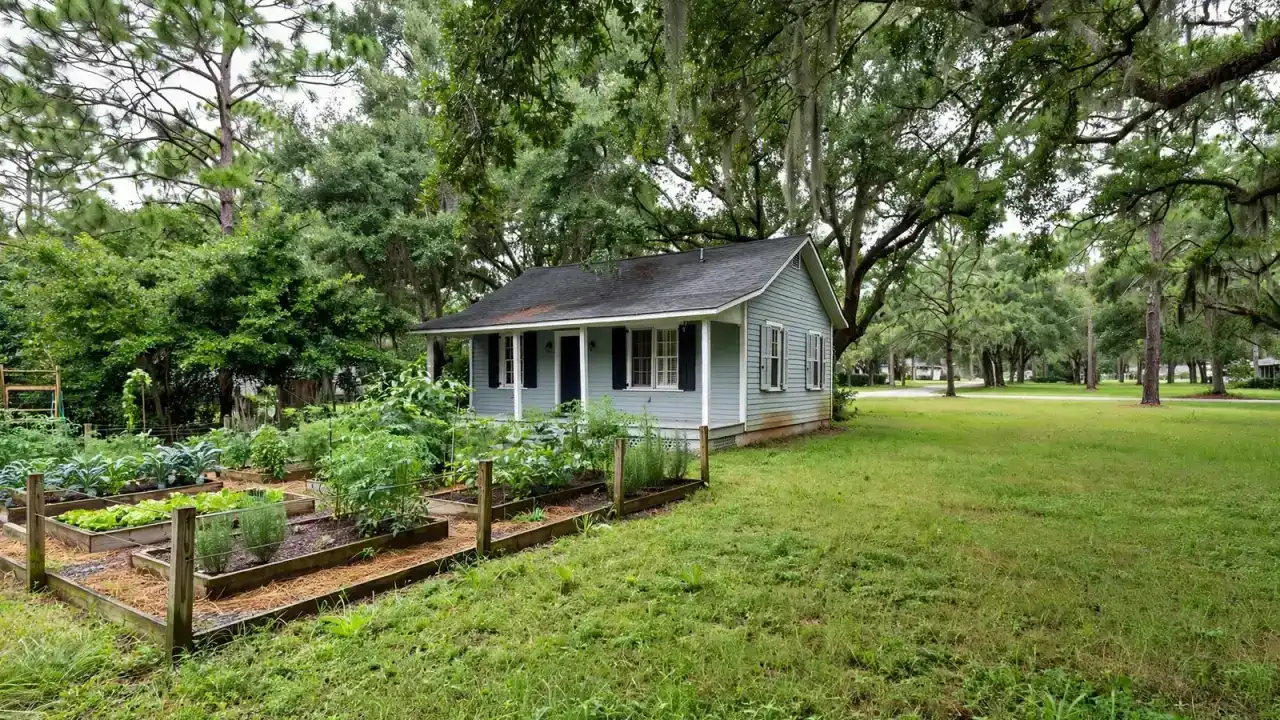
Garden Oaks was built with large lots suited to gardens, and many owners keep vegetable beds, raised planters and wooden edging. Untreated wood in contact with soil near the house can feed termites. Using stone, metal or composite edging near the foundation and keeping vegetable beds away from the slab reduce risk, and edible gardens should be mentioned to the professional before treatment.
Neighbors and teardowns
Talking with neighbors during teardowns
When a neighboring house is demolished, ask the builder whether the lot was checked for termites and whether stumps and debris will be removed. Share any concerns with the builder early. After construction, compare notes with neighbors about any new swarms.
Talk to a local contractor
Questions about garden oaks and oak forest?
One call connects you with an independent termite treatment contractor who serves Houston.
Ranch anatomy
How termites move through a slab ranch here
In a slab ranch from the 1940s or 1950s, termites usually come up through cracks, the garage expansion joint, plumbing penetrations or an open bath trap, then into the bottom wall plate and up into studs. Along the outside, they may climb the slab edge under mulch to the siding or brick ledge. Damage often shows first in a bathroom, the garage wall next to the house or baseboards on exterior walls. Knowing these paths helps owners know where to look between inspections.
Cottage anatomy
How termites move through a raised cottage here
In raised cottages, termites climb piers to sill beams and joists, then into subfloor and walls. Porches and steps resting on the ground are direct entries. A crawlspace inspection follows these routes, and treatment covers soil around piers and porch footings.
Restoring after treatment
Repairs after termites on these lots
Repairs after treatment range from replacing baseboards in a ranch bathroom to sistering joists under a cottage. Owners planning to renovate or expand may combine termite repairs with larger projects. New additions should be pretreated, and the joint between old and new construction carefully protected.
Comparing neighbors
Learning from neighbors' experience
With so many houses of similar age, neighbors' experiences offer clues. If several houses on your street were treated for Formosan termites, colonies are active nearby. Sharing information helps everyone time inspections and watch for swarms.
Room by room
A room-by-room check for ranch owners
In a ranch, start in bathrooms, looking at baseboards near the tub and toilet and at any bath trap access panel. In the kitchen, check under the sink and along exterior walls. In the garage, clear stored items and look at the bottom of walls and the expansion joint. In bedrooms, check window sills and baseboards on outside walls. Outside, push back mulch and plants to look at the slab edge.
Myths here
Common beliefs about termites in wooded neighborhoods
Some owners believe termites in yard stumps will stay there. Colonies forage widely and can reach houses. Others think big oaks attract termites to the house. Healthy trees are rarely eaten; it is dead wood and moisture that matter. Some assume new builds next door bring termites. Construction can disturb existing colonies, but the termites were already in the area.
Questions on the call
Questions to ask on a call from Garden Oaks or Oak Forest
Ask whether the professional will inspect sheds and garages, how they protect tree roots, whether they offer baits for wooded lots, and how they handle stumps and wood debris. Ask for license numbers and a written plan.
Moving in
First steps after buying here
After buying in Garden Oaks or Oak Forest, walk the lot and note stumps, wood piles, sheds and fences. Check the slab edge or skirting for visibility. Read the sale termite report and ask for any treatment records. If the house is a new build, ask the builder for pretreatment documents. Plan an inspection before your first spring.
Large lots and long perimeters
Large lots and longer perimeters
Big lots often hold larger houses and multiple outbuildings, which means longer perimeters to treat and more stations to monitor. Plan for treatment and inspection to take longer than on a typical city lot, and decide which structures you want covered.
Pecans and debris
Pecan trees and yard debris
Pecan trees drop husks, twigs and branches through the year. Piles of debris near the house hold moisture and can hide termite activity. Rake debris away from the foundation and compost it well away from the house.
Sheds and playsets
Sheds, playsets and treehouses
Wooden sheds on skids, playsets and treehouses are common on large lots. Their wood touches soil and stays damp under trees. Termites colonizing them may move toward the house. Use treated lumber, keep structures off the soil and include them in inspections if they sit close to the house.
Drainage on flat lots
Drainage on flat, wooded lots
The area is flat, and heavy rain can pond in yards. Water standing near the foundation keeps soil moist for days. French drains, regrading and downspout extensions help move water away. Drier soil near the house means less termite pressure.
Older garages
Detached and older garages
Some original homes have detached garages at the back of the lot, older and lower than the house. Wood near soil and stored items inside make them termite targets. Including them in inspections and keeping stored items off the floor helps.
Spring checklist
A simple spring checklist for these neighborhoods
Each spring, walk the slab edge or skirting and look for tubes behind shrubs. Check stumps and wood piles for termites. Clear gutters after pollen and leaf drop. Pull mulch back. Check sheds and playsets. Look at bathroom baseboards and the garage expansion joint. Call if you find signs.
Oak Forest family homes
Family homes and additions in Oak Forest
Oak Forest's postwar homes were built for growing families, and many have been expanded with rear additions, second stories or converted garages. Each expansion adds joints between old and new foundations and new framing near the soil. Inspections should cover each addition and its junction with the original house.
Garden Oaks deed restrictions
Deed restrictions and large lots
Garden Oaks has deed restrictions that have helped preserve large lots and tree cover. That preserved canopy is part of what makes termite prevention important: more trees mean more fallen wood and more shade over foundations.
Mid-century windows
Mid-century windows and doors
Original wooden windows and doors in cottages and early ranches often have softened sills and thresholds. Termites and rot both find them. Probe sills during spring checks and keep paint and caulk in good shape.
Second stories added
Second stories added over ranches
Some owners have added second stories to original ranches. New framing above old walls can hide earlier damage in the original wall plates. If you are planning a second story, have the existing framing inspected for termites first.
Ditches and culverts
Open ditches and culverts
Some streets in these neighborhoods still have open drainage ditches in front of homes rather than curbs and storm drains. Ditches hold water after storms, keeping front-yard soil damp. Wooden culvert headers and driveway edging near ditches can host termites. Keep ditches clear so water drains quickly.
Firewood habits
Firewood on wooded lots
With so many trees, many owners burn their own firewood. Stack it on a rack off the ground, at least several feet from the house and shed, and burn older wood first.
Utility lines
Utility poles and wooden structures
Back-lot utility easements hold wooden poles and old fence lines. Debris collected there feeds termites near garages and sheds.
Raised cottages and new skirting
New skirting on old cottages
When owners replace old cottage skirting, choosing treated boards or cement panels set slightly above grade, with vents left open, keeps the crawlspace drier and easier to inspect.
Compost piles
Compost and leaf piles
Keep compost bins and leaf piles well away from the house, since decaying plant matter holds moisture and can attract foraging termites.
More questions
More questions from Garden Oaks and Oak Forest owners
Should I grind old stumps near my house?
Grinding stumps near the foundation removes a food source close to the house.
Will trenching damage my oak's roots?
Crews can avoid large roots or use baits nearby. Ask before work starts.
My house is a new build. Do I need an inspection?
Pretreatment helps, but periodic inspections still catch problems early.
Do pines attract termites?
Healthy trees rarely do; dead wood and stumps are what feed colonies.
Garden Oaks termite questions
Questions about termites here
Do stumps in my yard attract termites?
They can feed colonies near the house. Removing them helps.
Can a teardown next door bring termites to my house?
Disturbed colonies may move. Watch for new signs.
Are new builds protected?
Many are pretreated during construction. Ask for records.
Is deep mulch a problem?
It holds moisture and hides tubes. Keep a clear strip at the foundation.
What should I tell the professional?
Trees, stumps, mulch, foundation type and nearby construction.