
Key facts: Eastwood
- Eastwood was developed in 1911 by William A. Wilson, with lots first sold in 1912 [1].
- Eastwood holds Houston's largest intact collection of Craftsman, Arts and Crafts, Foursquare and Mission architecture [1].
- The EPA suggests probing exposed wood for hollow spots to find termites [2].
- Pier-and-beam houses rest wooden framing on piers above a crawlspace [3].
In this page
- 1Eastwood ZIP codes covered
- 2What Eastwood homes are like
- 3What termite professionals see in Eastwood
- 4Deep porches and wooden columns
- 5Eastwood figure
- 6Crawlspaces in Eastwood
- 7Original siding and trim
- 8Restoration and termites
- 9Treatment options for Eastwood homes
- 10Planning a termite visit in Eastwood
- 11Eastwood termite situations and typical responses
- 12Eastwood and its sister neighborhood
- 13Signs Eastwood owners notice first
- 14Foursquares and two-story houses
- 15Mission style houses and stucco
- 16Crawlspace ventilation in older houses
- 17Heavy rain in the East End
- 18Rental bungalows in Eastwood
- 19When to schedule treatment during a renovation
- 20What to do when swarmers appear in an Eastwood bungalow
- 21What treatment day looks like on an Eastwood bungalow
- 22Choosing a termite professional in Eastwood
- 23Records for a restored Eastwood house
- 24Everyday habits for Eastwood bungalows
- 25Insurance and termite damage
- 26A year of termite awareness in Eastwood
- 27Built-ins and interior woodwork
- 28Neighbors and shared risk
- 29Buying an Eastwood house
- 30How termites move through an Eastwood bungalow
- 31Repairs after termites in Eastwood
- 32Foundation re-leveling and termites
- 33Detached garages and outbuildings in Eastwood
- 34A room-by-room check for Eastwood owners
- 35Common beliefs about termites in Eastwood
- 36Questions to ask on an Eastwood call
- 37Parks, esplanades and greenery
- 38First steps after buying in Eastwood
- 39Pier types found in Eastwood
- 40Old plumbing under raised houses
- 41Painting season as an inspection opportunity
- 42Porch details worth checking
- 43Clearing debris from Eastwood crawlspaces
- 44Shared driveways and narrow side yards
- 45A simple spring checklist for Eastwood owners
- 46Siding close to the ground
- 47Original wood windows
- 48Second opinions for major damage
- 49Rain splash on lower walls
- 50Tree roots and piers
- 51Paneled rooms in older houses
- 52Protecting Eastwood's character
- 53Chimneys and fireplace hearths
- 54Alleys and back lot lines
- 55Lattice and skirting boards
- 56Front walks and porch steps
- 57Enclosed and screened porches
- 58Neighbors and swarm season
- 59Attic vents and roof leaks
- 60Back decks on older houses
- 61Porch planters and pots
- 62More questions Eastwood owners ask
- 63Questions about termites in Eastwood
Eastwood coverage
Eastwood ZIP codes covered
Eastwood sits inside these ZIP codes on the network's list. Coverage is revised over time, so check your address on the call.
- 77011: Eastwood's core blocks east of downtown.
- 77023: surrounding East End neighborhoods.
Eastwood housing
What Eastwood homes are like
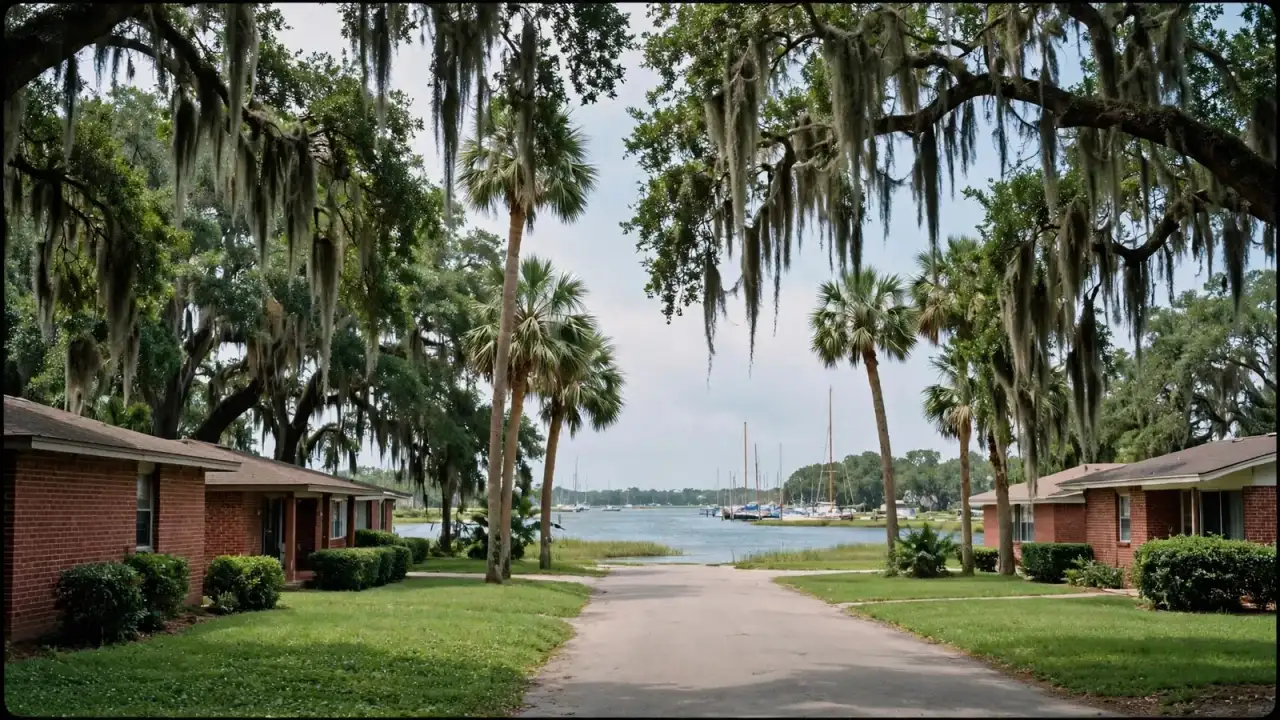
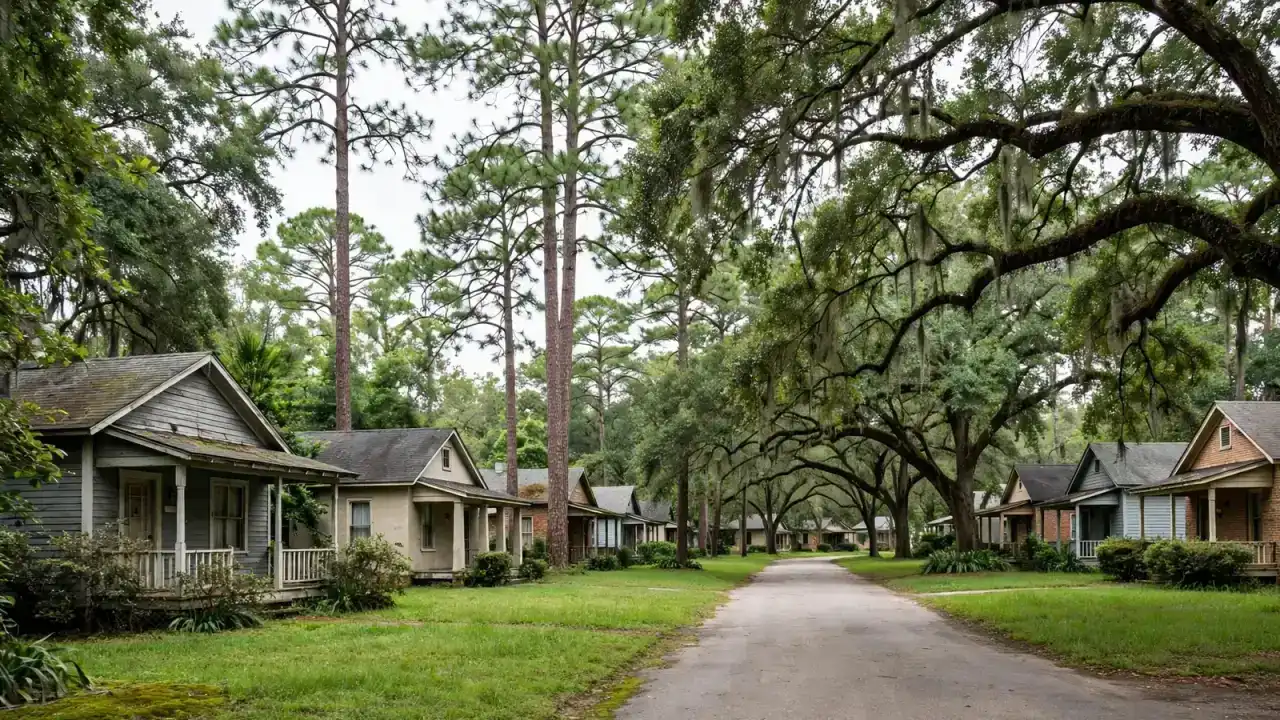
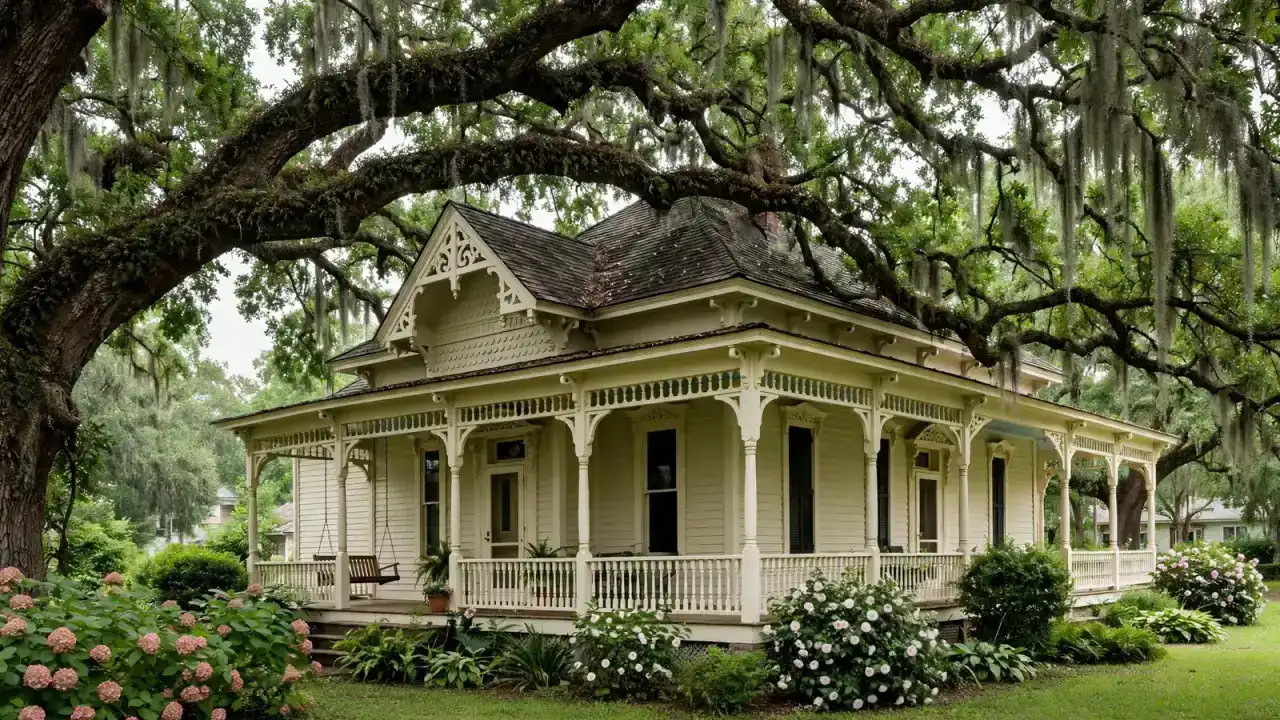
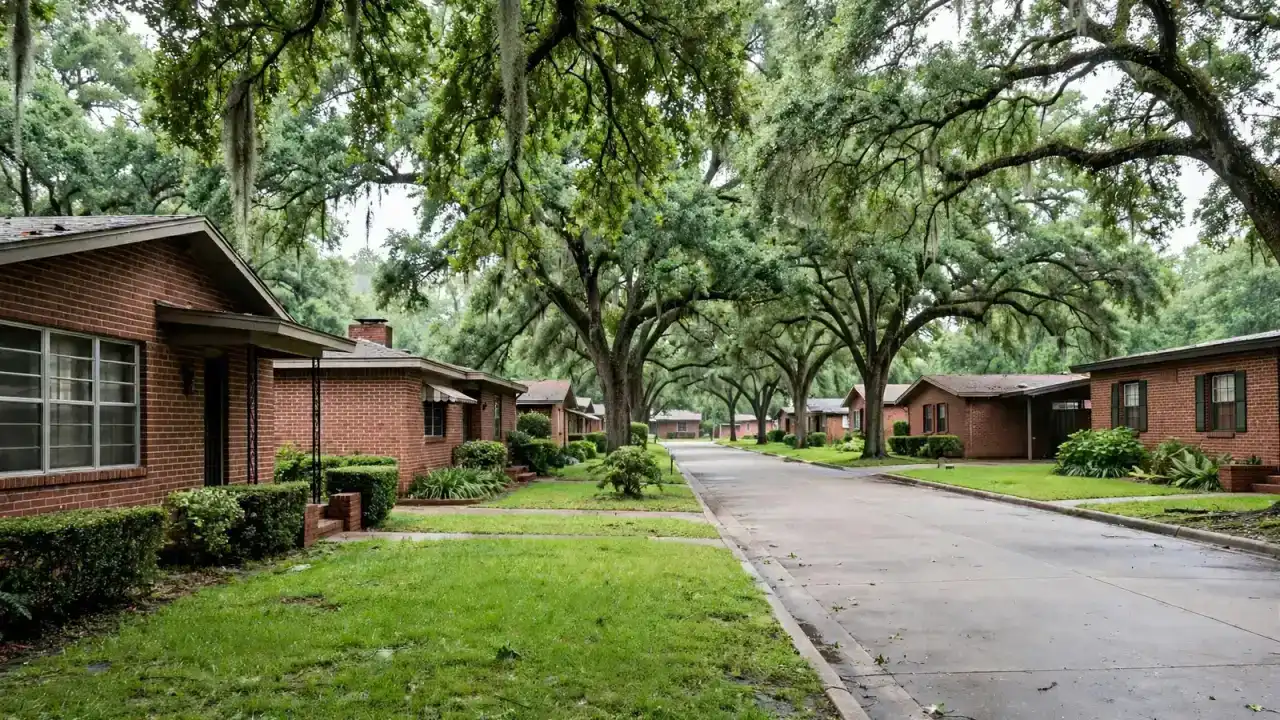
William A. Wilson, who also built Woodland Heights, designed Eastwood in 1911 at what was then the southeast edge of Houston. Lots went on sale in 1912 and the subdivision opened in 1913. Builders filled it with Craftsman bungalows, Foursquares and Mission style houses, most of them wood frame on pier-and-beam foundations, with deep front porches, tapered columns and wood trim. [3]
Many original houses survive, restored or awaiting restoration, alongside newer homes. Mature trees shade most streets.
Eastwood termite risks
What termite professionals see in Eastwood
Common findings in Eastwood houses include these.
Porch columns and floors
Old porch wood near the soil.
Read moreSills and joists
Framing above damp crawlspaces.
Read moreTrim and siding
Original wood siding and trim near grade.
Read moreFormosan swarms
Evening swarms around porch lights.
Read more
Porches
Deep porches and wooden columns
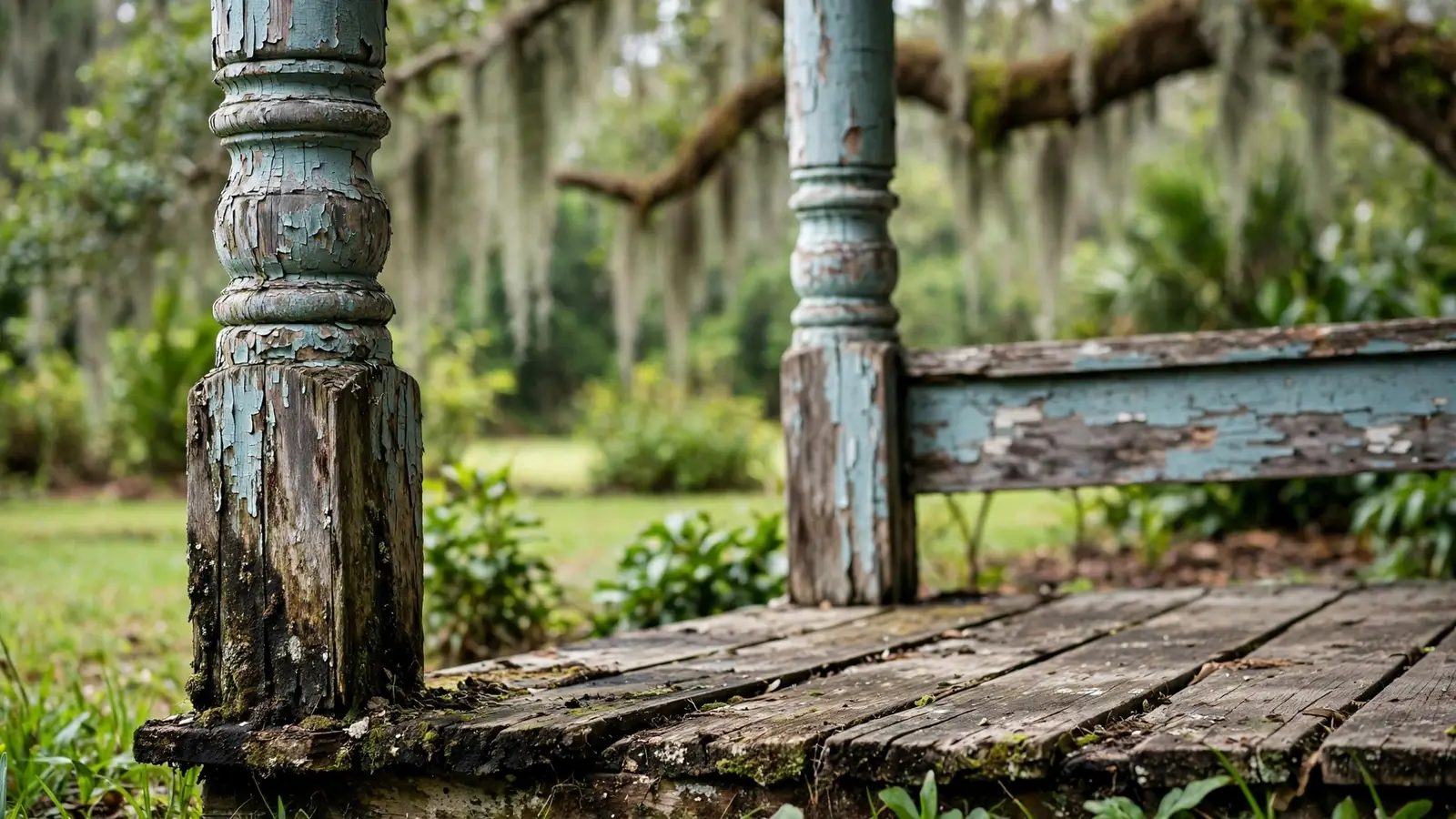
Eastwood's deep front porches are part of its character, and they are also a common termite target. Porch floors, joists, column bases and steps sit close to the soil and catch rain. Termites can move from porch framing into the house. Inspectors probe column bases and porch floor edges closely.
Eastwood figure
Crawlspaces
Crawlspaces in Eastwood
Under Eastwood's raised houses, crawlspaces can be damp, with old plumbing, wood debris and settled piers. Termites travel up piers into beams and joists. A crawlspace inspection often reveals damage owners never knew about.
Original wood
Original siding and trim
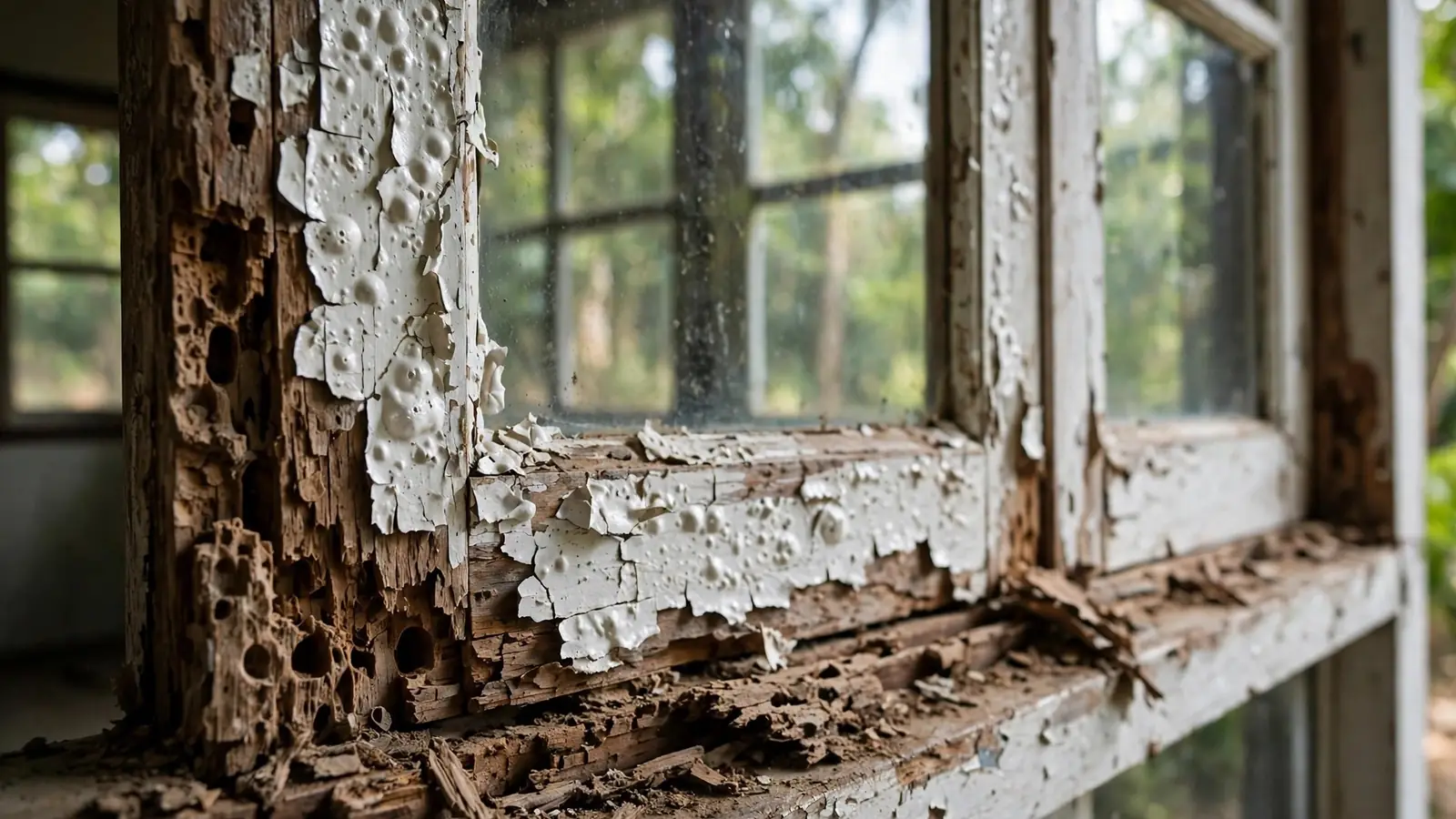
Century-old siding and trim, often of old-growth lumber, can be more resistant to decay than new wood, but termites still eat it, especially where paint has failed and water gets in. Blistered paint near the bottom of walls is worth probing.
Restoration projects
Restoration and termites
Restoring an Eastwood house is a chance to fix termite problems. Opening walls and floors often reveals old galleries. Treating before closing walls, replacing damaged framing and fixing moisture problems protect the restoration. Matching historic details may require carefully chosen replacement wood.
Treatment options
Treatment options for Eastwood homes
Liquid treatment along the perimeter and around piers is common for pier-and-beam houses. Baits suit lots with tight access or many plantings. Damaged porches and framing are assessed after treatment and repaired by carpenters.
Planning an Eastwood visit
Planning a termite visit in Eastwood
- 1
Crawlspace
Clear access to the crawlspace.
- 2
Porch
Point out soft floorboards or column bases.
- 3
Restoration plans
Mention planned work.
- 4
Swarm details
Note when swarmers appeared.
- 5
History
Share any previous treatment.
Eastwood situations
Eastwood termite situations and typical responses
| Situation | Typical response |
|---|---|
| Soft porch column base | Treat and replace base |
| Tubes on crawlspace piers | Liquid treatment around piers |
| Damage found during restoration | Treat before closing walls |
| Blistered siding near grade | Probe and inspect |
| Evening swarm at porch light | Inspection; baits considered |
Woodland Heights sister
Eastwood and its sister neighborhood
Developer William A. Wilson built both Eastwood and Woodland Heights, applying similar planning ideas: tree-lined streets, deed restrictions and well-built houses. Eastwood lots sold from 1912, and a few houses predate the subdivision. Today Eastwood forms the core of the Greater Eastwood Super Neighborhood in the East End, and its historic houses draw buyers who value Craftsman details.
Signs Eastwood owners notice
Signs Eastwood owners notice first
Eastwood owners often first notice swarmers in spring around porch lights or windows, soft porch floorboards, or paint blistering on lower siding and trim. Inside, door frames that stick and floors that dip near exterior walls can signal damage below. Mud tubes on piers are visible in crawlspaces.
Foursquares and two stories
Foursquares and two-story houses
Eastwood's Foursquares are two-story houses with more framing and larger crawlspaces. Termite damage in the first floor's structure can affect the floor above. Inspecting the crawlspace and first-floor framing is especially important for these houses.
Mission style stucco
Mission style houses and stucco
Mission style houses in Eastwood have stucco exteriors over wood framing. Stucco that extends below grade or contacts soil can hide termite entry, and cracks can let moisture in. Inspectors look at the bottom edge of stucco and any cracks.
Crawlspace ventilation
Crawlspace ventilation in older houses
Original crawlspace vents may be blocked by plantings, soil buildup or later additions. Poor ventilation keeps crawlspaces damp. Clearing vents and keeping soil below them helps dry the space.
East End weather
Heavy rain in the East End
The East End sees heavy rains like the rest of Houston, and low spots can hold water. Good drainage around the house reduces moisture under raised floors and around piers.
Tenants and owners
Rental bungalows in Eastwood
Some Eastwood bungalows are rentals. Landlords should arrange regular inspections and ask tenants to report swarmers or soft floors. Tenants may not know the signs, so a short explanation helps.
Renovation timing
When to schedule treatment during a renovation
If you are restoring an Eastwood house, schedule a termite inspection before demolition and treatment before new framing, insulation and finishes go in. Ask contractors to keep damaged wood for the inspector to see.
During a swarm
What to do when swarmers appear in an Eastwood bungalow
In Eastwood's raised bungalows, swarmers often emerge through floor gaps, baseboards or window frames, or gather around porch lights. Close the room, turn off its light, vacuum and save samples. Note whether they came from the floor, which points to the crawlspace. Avoid spraying and call for an inspection.
Treatment day in Eastwood
What treatment day looks like on an Eastwood bungalow
Crews trench along skirting and porch footings, crawl the space to treat around each pier and treat soil under steps. For houses with slab additions or garages, they drill adjoining concrete. Restoration projects may schedule treatment between demolition and new framing. Expect a day under the house.
Choosing who to call
Choosing a termite professional in Eastwood
Look for someone comfortable inspecting and treating century-old raised houses, who will crawl the space and explain how porches and steps are covered. Ask about coordinating with restoration contractors. Get license numbers and a written plan.
Keeping restoration records
Records for a restored Eastwood house
Keep records of termite treatment, damage found and repairs made during restoration. They help future owners understand the house and show that work was done properly.
Prevention habits
Everyday habits for Eastwood bungalows
Keep soil and mulch below the skirting and away from porch footings. Clear crawlspace vents. Repaint lower siding and trim before paint fails. Store firewood away from the house. Fix leaks under kitchens and baths promptly. Check porch floors and column bases each spring. Look under the house with a flashlight from the access opening.
Insurance in Eastwood
Insurance and termite damage
Policies usually exclude termite damage. For historic houses where original materials are valued, early detection protects both the structure and its character. Keep records of inspections, treatments and repairs.
Seasons in Eastwood
A year of termite awareness in Eastwood
Spring swarms appear around porch lights and windows. Summer heat and storms keep crawlspaces humid. Fall is a good time to clean gutters and clear vents. Winter is ideal for crawlspace inspections and repairs before swarm season.
Woodwork details
Built-ins and interior woodwork
Eastwood's Craftsman houses often have built-in cabinets, window seats and wood paneling. Termites reaching interior walls can damage these too. When an infestation is found, ask the inspector to check built-ins on exterior walls.
Buying in Eastwood
Buying an Eastwood house
Buyers drawn to Eastwood's historic homes should expect inspection reports to note older evidence and possible damage. Ask about previous treatments, look at the crawlspace if possible and allow time for repairs before move-in if damage is found.
Bungalow anatomy
How termites move through an Eastwood bungalow
An Eastwood bungalow stands on piers with a wooden sill beam, joists and subfloor above a crawlspace. Wooden steps rest on the ground, and the deep porch has its own piers and floor framing. Termites climb piers into the sill, spread through joists and subfloor, and move up into walls, door frames and built-ins. On the porch, they enter steps and column bases directly. Inspections follow these routes from the soil up.
Restoring after treatment
Repairs after termites in Eastwood
After treatment, repairs might include replacing sill sections, sistering joists, rebuilding porch floors, restoring column bases and patching siding. For historic houses, matching original profiles and materials preserves character. Carpenters experienced with Craftsman houses can advise on how much original material can be saved.
Foundation repair and termites
Foundation re-leveling and termites
Many older Eastwood houses have been re-leveled, with new piers, shims or blocks. Foundation work disturbs soil around piers and can break treated zones. Wooden shims in contact with soil are termite routes. After foundation repair, ask whether soil around new piers should be treated.
Talk to a local contractor
Questions about eastwood?
One call connects you with an independent termite treatment contractor who serves Houston.
Garages and outbuildings
Detached garages and outbuildings in Eastwood
Many Eastwood lots have detached garages at the back, sometimes original. Older wooden garages sit low and often have soil against their walls. Including them in inspections and treatments protects the whole property.
Room by room
A room-by-room check for Eastwood owners
In an Eastwood bungalow, look at floors near exterior walls for soft spots, at baseboards and door casings for blistered paint, and at window sills for damage. In the kitchen and bathrooms, check around plumbing. On the porch, press on floorboards and check column bases. Under the house, look at piers and beams with a flashlight from the access opening.
Myths in Eastwood
Common beliefs about termites in Eastwood
Some owners believe painted wood is protected. Paint slows moisture but termites eat from the inside. Others think termites will not attack old, dry wood. Formosan and subterranean termites eat old wood if moisture is nearby, and drywood termites eat dry wood. A third belief is that a single treatment lasts forever. Treatments can break down or be disturbed, and new colonies arrive.
Questions on the call
Questions to ask on an Eastwood call
Ask whether the professional will crawl the space, how they treat porch footings and steps, whether they coordinate with restoration contractors and what they recommend for wooden piers or shims. Ask for license numbers and a written plan.
Eastwood parks and greenery
Parks, esplanades and greenery
Eastwood's tree-lined streets and nearby parks contribute to its appeal and its shade. Fallen limbs and old trees in parks and along streets can harbor colonies. Owners near parks should watch for swarms in spring.
Moving in
First steps after buying in Eastwood
After buying an Eastwood house, look under it from the crawlspace access and note pier types and any shims. Press on porch floorboards. Read the sale termite report and ask for treatment records. Plan an inspection before the first spring and before any restoration starts.
Eastwood piers
Pier types found in Eastwood
Eastwood houses may rest on brick piers, concrete blocks, poured concrete or, in some older repairs, wooden blocks. Brick and concrete piers show termite tubes on their surfaces; wooden blocks can be eaten from inside. Knowing your pier types helps the inspector focus.
Historic plumbing
Old plumbing under raised houses
Original and patched plumbing under Eastwood houses can leak into the crawlspace, wetting soil and wood. Checking for drips during crawlspace inspections and repairing leaks reduces termite pressure under the house.
Painting and inspection
Painting season as an inspection opportunity
When repainting an Eastwood house, scrapers and painters handle every board of siding and trim. Ask them to report soft spots, galleries or mud. Painting time is an excellent opportunity to find damage early.
Eastwood porches in detail
Porch details worth checking
Eastwood porches often have tapered wooden columns on brick or wooden bases, tongue-and-groove floors, beadboard ceilings and wooden steps. Check where columns meet their bases, the outer edge of the porch floor where rain lands, the bottom step and any lattice skirting. Keep plants trimmed back so the porch can dry.
Crawlspace debris
Clearing debris from Eastwood crawlspaces
Over a century, crawlspaces collect scrap lumber, old flooring, form boards and other debris. Wood debris on the soil feeds termites and hides tubes. Removing it during inspections or repairs reduces food sources under the house.
Spring checklist
A simple spring checklist for Eastwood owners
Each spring, check porch floors, columns and steps. Look under the house from the access opening. Check lower siding and trim for blistered paint. Clear crawlspace vents. Clean gutters. Watch for swarms around porch lights on humid evenings. Call if you find signs.
Eastwood siding and soil
Siding close to the ground
On some Eastwood houses, soil has built up over the decades until lower siding boards sit close to or touching the ground. That gives termites easy entry and keeps the boards damp. Lowering soil to expose the skirting and a few inches below the siding helps the house dry out and makes tubes visible.
Eastwood windows
Original wood windows
Many Eastwood houses keep their original wood windows. Sills and lower sashes catch rain and can soften. Termites and rot both target them. Keeping windows painted and caulked, and probing sills during spring checks, catches problems early.
Second opinions in Eastwood
Second opinions for major damage
If an inspection reveals major structural damage in an Eastwood house, a second opinion from another professional or a structural engineer can confirm scope before major repairs.
Eastwood rain and splash
Rain splash on lower walls
Without gutters, rain off Eastwood roofs splashes onto lower siding and porch floors. Splash keeps wood wet near the ground. Adding gutters, splash blocks or gravel strips under the eaves reduces splash and helps the lower walls dry.
Eastwood tree roots
Tree roots and piers
Large tree roots near the house can lift or tilt piers and crack footings. Shifted piers create gaps and contact points termites can use. When foundation contractors re-level a house, ask about pier condition and treatment.
Interior paneling
Paneled rooms in older houses
Some Eastwood houses have wood paneling or wainscoting on lower walls. Termites can feed behind paneling unseen. Gently tapping paneling near the floor can reveal hollow spots.
Neighborhood character
Protecting Eastwood's character
Eastwood's Craftsman, Foursquare and Mission houses are what make it special. Prompt termite treatment, careful repair with matching materials and regular inspections keep these houses standing for another century. Treating termites is part of preserving history.
Fireplaces and chimneys
Chimneys and fireplace hearths
Many Eastwood houses have brick chimneys with their own footings. The framing around chimneys and hearths, and any wood touching the chimney base, can be a termite entry. Inspectors check the chimney base in the crawlspace.
Eastwood alleys
Alleys and back lot lines
Some Eastwood blocks have alleys with garages and fences along them. Wood piles, old fence lines and debris collect in alleys. Clearing debris along your back lot line removes termite food near your garage.
Lattice skirting
Lattice and skirting boards
Many Eastwood houses use wooden lattice or boards as skirting around the crawlspace. Where skirting sits on soil, termites enter it easily. Keep skirting a little above grade or set it on a concrete strip.
Eastwood front walks
Front walks and porch steps
Many Eastwood front walks lead to wooden porch steps set right on the soil or a brick base. Steps take rain and foot traffic and soften at the bottom. Replacing the bottom step with treated wood on a concrete pad cuts off a common entry.
Eastwood screened porches
Enclosed and screened porches
Some Eastwood porches have been screened or enclosed. Enclosure can trap moisture and hide damage in the original porch floor beneath newer flooring. Ask the inspector to look under enclosed porches from the crawlspace where possible.
Shared stories
Neighbors and swarm season
On Eastwood's close-set blocks, a swarm at one house is often seen by several. Comparing notes helps neighbors decide when to inspect.
Eastwood attic vents
Attic vents and roof leaks
Older roofs on Eastwood houses may leak around vents, chimneys and valleys. Water in the attic gives Formosan termites a chance to nest above ground. Repair leaks quickly and check attic framing after storms.
Eastwood decks
Back decks on older houses
Rear decks added to Eastwood houses often sit low with framing near the soil. Termites in the deck can reach the house where the ledger board is attached. Use treated framing, keep it off the ground and include decks in inspections.
Eastwood planters
Porch planters and pots
Large pots and wooden planters on porch floors trap water against boards. Set them on feet so the floor can dry.
More Eastwood questions
More questions Eastwood owners ask
Can I keep my original porch columns?
Often, with repair of damaged bases after treatment.
How often should an Eastwood house be inspected?
Ask the professional; older raised houses often warrant regular checks.
Do termites damage stucco houses?
They damage the wood framing behind stucco, entering through gaps near the soil.
Can treatment wait until restoration is finished?
Better to treat before closing walls and floors.
Eastwood termite questions
Questions about termites in Eastwood
Are Eastwood's old houses more at risk?
Wood near the soil and damp crawlspaces make regular inspection important.
Should I treat before restoring?
Yes. Treat before closing walls and replacing wood.
Can old porch columns be saved?
Sometimes. Damaged bases can often be repaired after treatment.
Do I need a crawlspace inspection?
It is where damage often hides, so yes if access allows.
What should I tell the professional?
Foundation, porch condition, restoration plans and signs you found.