
Key facts: Meyerland
- George Meyer developed the Meyerland subdivision in 1955 on land that was formerly rice fields [1].
- Meyerland lies partly in the 100-year floodplain and was inundated during Hurricane Harvey in 2017 [1].
- New homes in Meyerland are being built several feet above the base flood elevation [1].
- Termites are drawn to moisture and damp wood [2].
In this page
- 1Meyerland ZIP codes covered
- 2What Meyerland homes are like
- 3What termite professionals see in Meyerland
- 4How flooding affects termite risk
- 5Meyerland figure
- 6Raised homes and new foundations
- 7Slab ranches and entry points
- 8Life near Brays Bayou
- 9Treatment options for Meyerland homes
- 10Planning a termite visit in Meyerland
- 11Meyerland termite situations and typical responses
- 12Deed restrictions and mid-century design
- 13Signs Meyerland owners notice first
- 14Bath traps in mid-century bathrooms
- 15After Harvey and other floods
- 16Elevated homes and new foundations
- 17Flood projects and soil work
- 18Drainage around Meyerland ranches
- 19New construction in Meyerland
- 20What to do when swarmers appear in a Meyerland home
- 21What treatment looks like on a Meyerland ranch
- 22Choosing a termite professional in Meyerland
- 23Keeping flood and termite records together
- 24Everyday habits for Meyerland ranches
- 25Insurance, floods and termites
- 26A year of termite awareness in Meyerland
- 27Homes around Godwin Park
- 28Raised slabs and imported fill
- 29How termites move through a Meyerland ranch
- 30Repairs after termites in Meyerland
- 31Learning from neighbors after floods
- 32A room-by-room check for Meyerland owners
- 33Common beliefs about termites in Meyerland
- 34Questions to ask on a Meyerland call
- 35First steps after buying in Meyerland
- 36Weep holes on Meyerland brick ranches
- 37Older plumbing and leaks under slabs
- 38Patios, pergolas and outdoor rooms
- 39Grading around Meyerland homes
- 40A close-knit community
- 41A simple spring checklist for Meyerland owners
- 42Rebuilt interiors and hidden activity
- 43Mature landscaping in Meyerland
- 44Windows and doors in Meyerland ranches
- 45Fences and gates on Meyerland lots
- 46Buying a flood-rebuilt Meyerland home
- 47Attached garages and expansion joints
- 48Sprinklers and foundation beds
- 49Homes near the commercial center
- 50Pools and decking
- 51Living near bayou trails
- 52Lawn edging against the slab
- 53Wooden posts at the curb
- 54More questions Meyerland owners ask
- 55Questions about termites in Meyerland
Meyerland coverage
Meyerland ZIP codes covered
Meyerland homes in these ZIP codes are on the network's list. Check your address on the call because the list changes.
- 77096: Meyerland and neighboring sections along Brays Bayou.
- 77035: blocks to the south and east.
Meyerland housing
What Meyerland homes are like
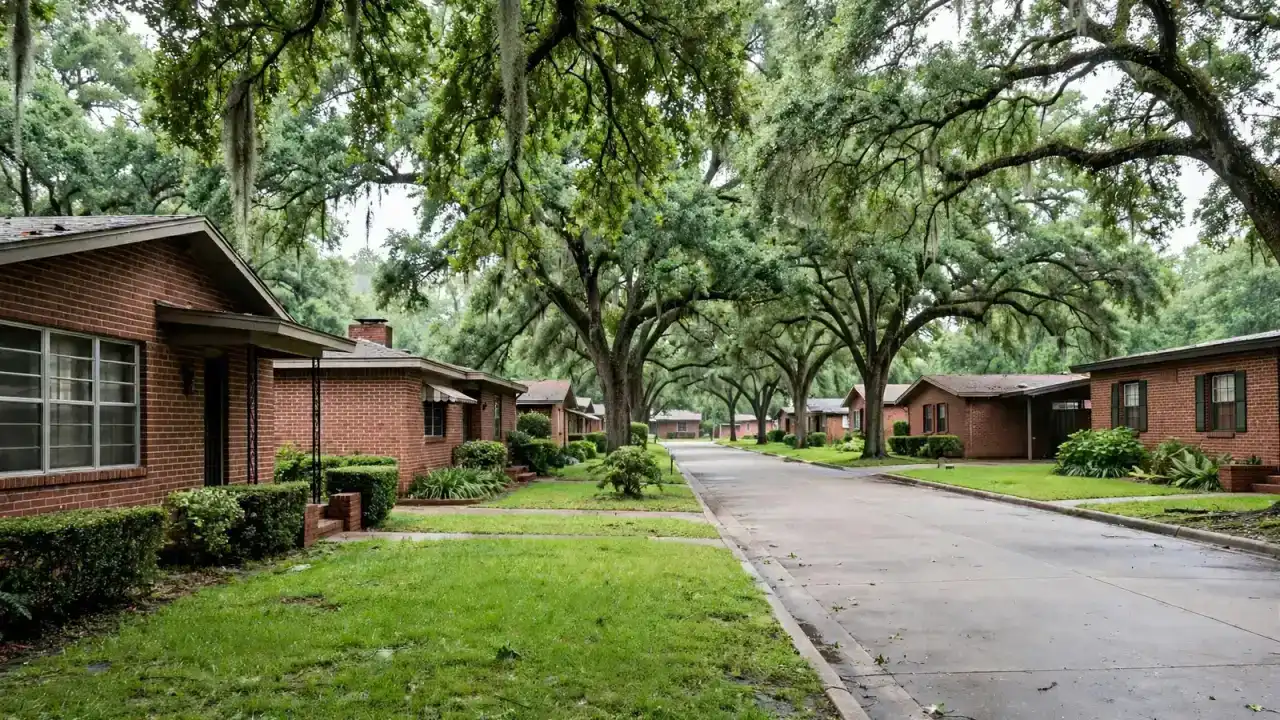
George Meyer turned family land, once rice fields, into the Meyerland subdivision in 1955, one of Houston's early deed-restricted communities. Builders put up one-story ranch houses on slabs, many brick-veneered with wood framing, in Tudor, colonial and contemporary styles. Lots are generous and landscaped.
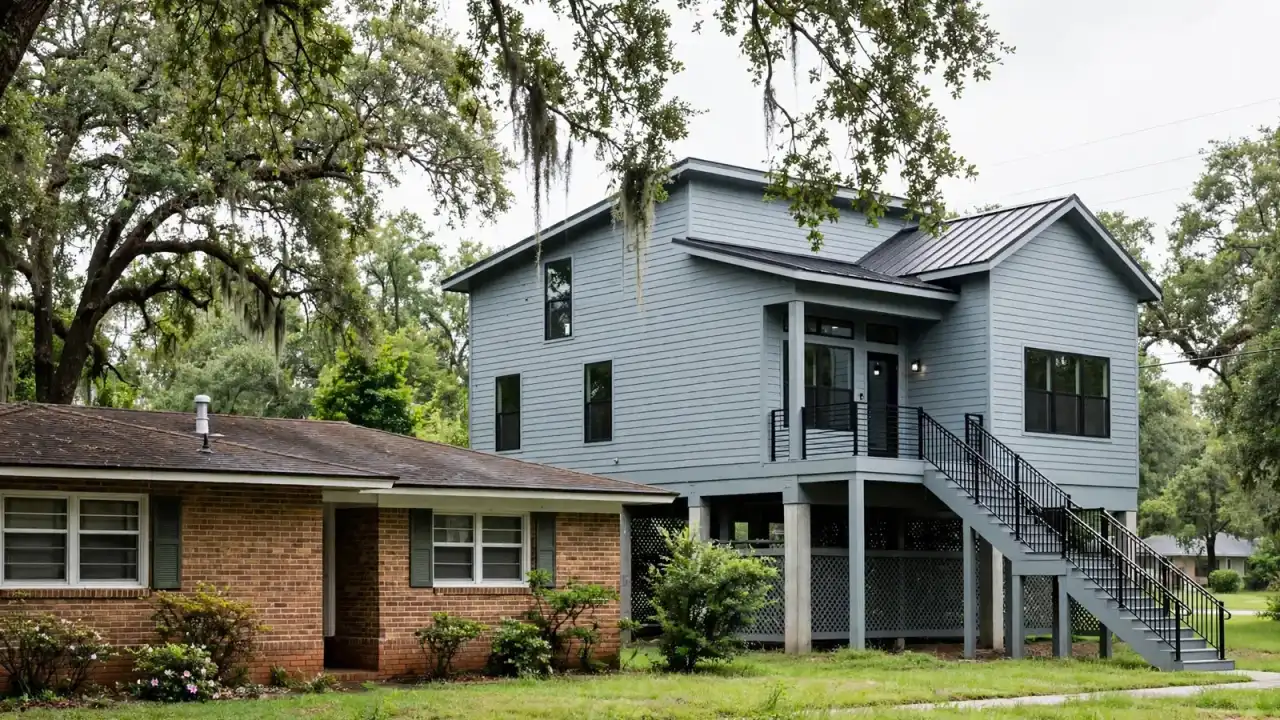
Repeated flooding has changed the neighborhood. Some original ranches were gutted and rebuilt after floods; others were raised on new foundations; many lots now hold new homes built well above flood levels.
Meyerland termite risks
What termite professionals see in Meyerland
Common findings in Meyerland include these.
Flood-soaked framing
Wet wood inside walls invites termites.
Read moreDisturbed treated soil
Rebuilding and raising break old barriers.
Read moreSlab cracks
Mid-century slabs with settlement cracks.
Read moreBath traps and plumbing
Open areas under tubs let termites in.
Read more
Floods and termites
How flooding affects termite risk
When water fills a house, wood framing, drywall paper, carpet pad and cabinets soak up moisture. Even after drying, wood that stayed wet for long can soften and rot, and termites favor damp, decaying wood. Flood mud and debris left against foundations can bridge treated zones. After a flood, treated soil may be washed, moved or covered by fill.
Homes that flooded and were repaired without an inspection for termites may have hidden activity behind new drywall. An inspection after flood repairs is a sensible step.
Meyerland figure
Raised and rebuilt homes
Raised homes and new foundations
Raising a house moves it onto new piers or a new foundation and exposes soil that was once under the slab. New construction pours new slabs. Both disturb any previous soil treatment. New construction is usually pretreated; raised homes should be checked to see whether the new foundation and piers were treated. Ask the builder or contractor for records.
Slab ranches
Slab ranches and entry points
Mid-century slab ranches develop cracks as soils shrink and swell. Termites enter through cracks, expansion joints, plumbing penetrations and bath traps. Brick veneer can hide tubes in the gap behind it. Inspectors look at the slab edge, weep holes and any spot where soil or mulch touches brick.
Bayou and moisture
Life near Brays Bayou
Brays Bayou runs through the area, and nearby soils can stay wet after storms. Poor drainage around a house, gutters that dump water at the foundation and sprinklers aimed at walls all keep soil moist. Better drainage and dry soil near the house make it less inviting.
Treatment options
Treatment options for Meyerland homes
For slab ranches, liquid treatment with drilling at patios, driveways and bath traps is common. Baits suit homes with extensive landscaping or recent construction. Flood-affected homes may need treatment plus a wood damage assessment. Raised homes may need their new piers treated.
Planning a Meyerland visit
Planning a termite visit in Meyerland
- 1
Flood history
Share when the house flooded and what was replaced.
- 2
Foundation work
Mention raising or new foundations.
- 3
Bath traps
Clear access if possible.
- 4
Records
Have pretreatment or past treatment records ready.
- 5
Drainage
Note where water collects.
Meyerland situations
Meyerland termite situations and typical responses
| Situation | Typical response |
|---|---|
| House flooded and repaired | Inspection and treatment check |
| House raised on new piers | Treat soil around new piers |
| Swarmers from bathroom | Bath trap treatment |
| Tubes behind brick weep holes | Perimeter treatment |
| New build next door | Watch for activity; inspect |
Deed restrictions and design
Deed restrictions and mid-century design
Meyerland was one of Houston's early deed-restricted communities, and the original ranches followed a consistent pattern: one story, slab foundations, brick veneer over wood framing, attached garages and landscaped yards. Many homes around Godwin Park kept that character for decades. That consistency means many houses share the same construction details and the same termite entry points.
Signs Meyerland owners notice
Signs Meyerland owners notice first
In Meyerland, owners often find swarmers emerging from bathrooms, especially near tubs, or from baseboards on exterior walls. Mud tubes appear on the slab edge behind foundation plantings and at weep holes in the brick. After flood repairs, new drywall may blister or show lines where termites are feeding on the paper. Garages with stored items against walls hide tubes until boxes are moved.
Bath traps in Meyerland
Bath traps in mid-century bathrooms
Many 1950s and 1960s slab homes were built with bath traps, open areas of soil beneath tub drains. These give termites direct access from soil to the bathroom framing. Treating bath traps is a standard part of slab treatment. Some bath traps can be reached through an access panel; others require removing tile or drywall. Ask whether yours was treated in any previous work.
After Harvey
After Harvey and other floods
Hurricane Harvey in 2017 flooded much of Meyerland, following earlier floods in other years. [4] Many homes were gutted to the studs, dried and rebuilt. If walls were opened, it was a chance to see and treat damage, but not every rebuild included a termite inspection. Flood mud, debris and disturbed soil can bridge treated zones. Owners who rebuilt after flooding should consider an inspection if they do not have records of termite work done at that time.
Elevated homes
Elevated homes and new foundations
Homes raised above flood levels sit on new piers or foundations, sometimes with crawlspaces or open space beneath. That exposes new wood and new soil contact points. Treatment around new piers and a check of framing above them protect the investment in elevation. Ask the elevation contractor or builder whether soil treatment was included.
Brays Bayou improvements
Flood projects and soil work
Large flood control projects along Brays Bayou have reshaped channels and nearby land. Construction and drainage changes near homes can affect soil moisture. Owners near active projects should watch for changes in drainage around their foundations.
Drainage around ranches
Drainage around Meyerland ranches
Meyerland's flat terrain means water can pool near foundations after heavy rain. Gutters, downspout extensions and yard drains help move water away. Dry soil near the slab is less inviting to termites and protects treated zones.
New construction
New construction in Meyerland
Many new homes in Meyerland are built high above the base flood elevation, often on raised slabs or pier systems. New construction is typically pretreated. Keep records of pretreatment and plan inspections after the first few years.
During a swarm
What to do when swarmers appear in a Meyerland home
In Meyerland slab ranches, swarmers often emerge in bathrooms near the tub or from baseboards on exterior walls. Close the room, turn off its light, vacuum and save samples. Note whether the bathroom was rebuilt after a flood and whether the tub has an access panel. Avoid spraying into the bath trap. Call and describe where they came from.
Treatment day in Meyerland
What treatment looks like on a Meyerland ranch
On a Meyerland ranch, the crew trenches exposed soil along the slab, drills patios, walkways and driveways, and treats bath traps inside. For elevated homes, they treat around new piers or the new foundation. For flood-rebuilt homes, they may pay extra attention to areas where soil was disturbed or fill was added. Expect drilling noise and a full day for large lots.
Choosing who to call
Choosing a termite professional in Meyerland
Ask whether they have worked on flood-rebuilt and elevated homes, how they treat bath traps, and how they handle disturbed soil after flooding. Ask about retreatment after future floods. Get license numbers and a written plan.
Flood records
Keeping flood and termite records together
Keep flood repair records alongside termite records: what was removed, what was replaced, whether walls were treated before closing and when. Future buyers, insurers and inspectors will want to know.
Prevention habits
Everyday habits for Meyerland ranches
Keep the slab edge and brick ledge visible, with soil and mulch pulled down. Keep weep holes clear. Fix leaking faucets and redirect downspouts and AC drains. Store boxes away from garage walls. After heavy rain, check for pooling near the foundation and improve drainage where water sits. After any flood, schedule an inspection once the house is dry.
Insurance in Meyerland
Insurance, floods and termites
Flood insurance and homeowners policies usually do not cover termite damage, even if flooding made conditions worse. Document flood repairs and termite work separately. When rebuilding after a flood, ask the contractor whether framing was inspected for termites before closing walls.
Seasons in Meyerland
A year of termite awareness in Meyerland
Spring swarms, summer storms and fall rains all affect Meyerland homes. Hurricane season brings the risk of flooding. Scheduling inspections in late winter, before swarm season and well ahead of storm season, keeps protection current.
Godwin Park area
Homes around Godwin Park
The area around Godwin Park holds many of Meyerland's classic ranches with mature landscaping. Large trees and established beds keep soil moist near foundations. Thin mulch, clear slab edges and good drainage are especially helpful here.
Raised slabs and fill
Raised slabs and imported fill
Some rebuilt and new homes sit on raised slabs built up with imported fill soil. Fill may settle and crack slabs, opening entry points. Pretreatment of fill before the slab is poured is standard; ask builders for records.
Talk to a local contractor
Questions about meyerland?
One call connects you with an independent termite treatment contractor who serves Houston.
Ranch anatomy
How termites move through a Meyerland ranch
In a Meyerland ranch, the slab is the ground floor. Termites travel through soil beneath it and come up through cracks, plumbing penetrations, the bath trap under the tub and the joint between garage and house slabs. They enter bottom plates and climb studs inside walls, sometimes hidden behind brick veneer outside and drywall inside. After a flood rebuild, new drywall and baseboards can cover activity until it shows as blistering or swarmers.
Restoring after treatment
Repairs after termites in Meyerland
After treatment, damaged bottom plates and studs can be replaced from inside, sometimes requiring drywall removal. Bathroom framing near tubs is a common repair site. In flood-rebuilt homes, repairs may overlap with remaining flood work. Coordinating termite and flood repairs avoids opening walls twice.
Neighbors and flooding
Learning from neighbors after floods
After a major flood, many Meyerland homes are gutted at the same time. Neighbors who found termites during their rebuild can alert others to look while walls are open. Sharing that information helps catch activity across the street.
Room by room
A room-by-room check for Meyerland owners
Check bathrooms first, especially near tubs and any bath trap panel. Look at baseboards along exterior walls and around exterior doors. In rebuilt homes, look for blistering or lines on new drywall near the floor. In the garage, clear walls and check the expansion joint. Outside, look at the slab edge, brick ledge and weep holes.
Myths in Meyerland
Common beliefs about termites in Meyerland
Some owners believe floodwater drowns termites. Subterranean colonies survive floods by moving within the soil and return when it dries. Others assume a gutted and rebuilt house is termite-free. Rebuilding replaces some wood but does not treat the soil. A third belief is that raised houses are safe from termites. Raised houses sit on piers that termites can climb.
Questions on the call
Questions to ask on a Meyerland call
Ask whether the professional has treated flood-rebuilt and elevated homes, how they treat bath traps, and what they recommend after future floods. Ask for license numbers and a written plan.
Moving in
First steps after buying in Meyerland
After buying in Meyerland, ask the seller about flood history, rebuild records and termite treatment. Find the bath trap access panels. Check the slab edge and weep holes. If the house was raised, ask whether new piers or foundations were treated. Plan an inspection before the first spring.
Weep holes and brick
Weep holes on Meyerland brick ranches
Brick veneer on Meyerland ranches has small weep holes near the bottom to let moisture drain. Soil, mulch or pavers piled against the brick can block them and give termites cover to enter behind the veneer. Keep weep holes clear and visible, and check them during spring walks around the house.
Older plumbing
Older plumbing and leaks under slabs
Many original Meyerland homes have cast iron drain lines under the slab that have corroded over decades. Leaks under the slab keep soil wet, attracting termites. If plumbers find a slab leak, ask the termite professional whether the area should be retreated after repair.
Patios and outdoor rooms
Patios, pergolas and outdoor rooms
Many Meyerland homes have back patios with wooden pergolas, outdoor kitchens or screened rooms added over the years. Wooden posts set in soil or on patios next to the house can carry termites toward the structure. Use treated posts on concrete footings and keep them separate from the house framing.
Drainage and grading
Grading around Meyerland homes
On flat Meyerland lots, a small slope away from the house makes a big difference. Soil should drop away from the slab for several feet. Where flower beds or added soil have reversed that slope, water collects at the foundation. Regrading helps both flooding and termite risk.
Synagogues, schools and community
A close-knit community
Meyerland's community institutions and active civic association make it easier for neighbors to share information about floods, construction and pests. Sharing termite experiences across the neighborhood helps owners time inspections and spot patterns.
Spring checklist
A simple spring checklist for Meyerland owners
Each spring, walk the house and check the slab edge, brick ledge and weep holes. Look at bathroom baseboards and bath trap panels. Clear garage walls. Check drainage after the first big storms. If you flooded the previous year, schedule an inspection. Call if you find signs.
Older trees in Meyerland
Mature landscaping in Meyerland
Meyerland's original landscaping is now decades old, with large trees and established beds close to houses. Thick beds against brick hide the ledge and weep holes. Keeping beds trimmed back from the house and mulch thin helps you see what is happening at the foundation.
Ranch windows and doors
Windows and doors in Meyerland ranches
Original wood windows and patio doors on Meyerland ranches face rain and sprinkler spray. Their sills and frames soften over time and can attract termites. Keep them sealed and painted, and probe the bottom of frames each spring.
Fences and gates
Fences and gates on Meyerland lots
Wooden fences and gates joined to houses or garages carry termites across from soil. Use treated or metal posts and leave a small gap where fences meet walls.
Buying a flood-rebuilt home
Buying a flood-rebuilt Meyerland home
Buyers of flood-rebuilt homes should ask what was replaced, whether framing was inspected and treated for termites before walls were closed, and whether any treatment agreement transfers. The termite report for the sale should be read alongside flood repair records.
Meyerland garages
Attached garages and expansion joints
Meyerland ranches usually have attached garages on their own slab, joined to the house slab by an expansion joint. Termites come up through that joint and build tubes on the shared wall. Keep the wall clear of boxes and shelves at the bottom so tubes can be spotted, and ask the professional to treat along the joint.
Sprinklers and beds
Sprinklers and foundation beds
In-ground sprinklers that wet the brick and slab edge keep soil damp at the foundation. Adjust heads to water lawns and beds rather than walls. In foundation beds, use drip irrigation instead of spray where you can.
Meyerland Plaza area
Homes near the commercial center
Homes near the Meyerland Plaza shopping area sit beside large paved lots and commercial buildings. Runoff from pavement can drain toward nearby yards in storms. Watch drainage on lots that border commercial property.
Meyerland pools
Pools and decking
Backyard pools with wooden decking or pergolas add wood near damp soil. Choose treated or composite materials and keep decks off the soil and away from the house wall.
Bayou trails
Living near bayou trails
Homes along Brays Bayou trails back onto greenways with trees and brush. Colonies there forage toward nearby yards. Keep fences and slab edges facing the greenway clear and visible.
Meyerland lawns
Lawn edging against the slab
Lawn edging, pavers and stepping stones laid tight against the slab can raise the grade and hide tubes. Leave a narrow gravel strip or open band between lawn and slab so the edge stays visible.
Meyerland mailboxes
Wooden posts at the curb
Wooden mailbox posts and lamp posts in soil are often the first wood termites find on a lot. Treated or metal posts are better choices.
More Meyerland questions
More questions Meyerland owners ask
Should I retreat after a flood?
Ask the professional to inspect after significant flooding; retreatment may be needed.
Do elevated homes need different treatment?
Treatment covers the new piers or foundation and any soil contact points.
Can termites enter through bath traps in a remodel?
Yes, if the trap was left open. Ask whether it was treated.
Are Meyerland's newer homes at risk?
Less at first if pretreated, but inspections are still recommended.
Meyerland termite questions
Questions about termites in Meyerland
Does flooding increase termite risk?
Wet wood and disturbed soil can make conditions better for termites.
My house was raised. Is the old treatment still good?
Raising disturbs the soil. Ask whether the new foundation was treated.
Are new homes in Meyerland protected?
Many are pretreated. Ask the builder for records.
Where do termites enter slab ranches?
Cracks, expansion joints, plumbing gaps and bath traps.
What should I tell the professional?
Flood history, foundation work and where you found signs.