
Key facts: Liquid treatment vs bait stations
In this guide
- 1Liquid or baits: the short answer
- 2Liquid barrier and bait stations compared
- 3Compare figure
- 4When a liquid barrier makes sense
- 5When bait stations make sense
- 6When both are used
- 7How to decide
- 8Neither method for drywood termites
- 9Houston factors that tip the choice
- 10Weighing speed against disturbance
- 11Ongoing commitment with each method
- 12Warranties and service terms
- 13Asking the professional for a recommendation
- 14Prevention matters with either method
- 15Older and newer houses compared
- 16When drywood termites are also present
- 17Switching methods in the future
- 18Townhomes and shared walls
- 19Flood-prone areas and method choice
- 20Questions to ask on the call
- 21When to get a second opinion
- 22The bottom line for Houston homeowners
- 23Reviewing results after the first year
- 24Questions about choosing a method
The short answer
Liquid or baits: the short answer
Liquid treatments act faster and treat the soil around the house directly but involve trenching and drilling. Bait stations disturb less and target the colony but take longer and need regular monitoring. Many Houston houses can use either; heavy Formosan activity or hard-to-treat perimeters sometimes call for both. [3]
Side by side
Liquid barrier and bait stations compared
| Factor | Liquid barrier | Bait stations |
|---|---|---|
| How it works | Treated soil around the house | Bait carried to the colony |
| Speed | Faster | Slower |
| Drilling and trenching | Yes | Minimal |
| Ongoing visits | Not required for the treatment | Required |
| Product in soil | Yes | Contained in stations |
| Formosan colonies | Used | Often used |
| Drywood termites | Not effective | Not effective |
Compare figure
When liquid fits
When a liquid barrier makes sense
A liquid barrier suits houses with an accessible perimeter, active infestations that need quick results, and owners who prefer not to have ongoing monitoring visits for the treatment itself. It is common on pier-and-beam houses and slab homes with soil along most of the foundation.
When baits fit
When bait stations make sense
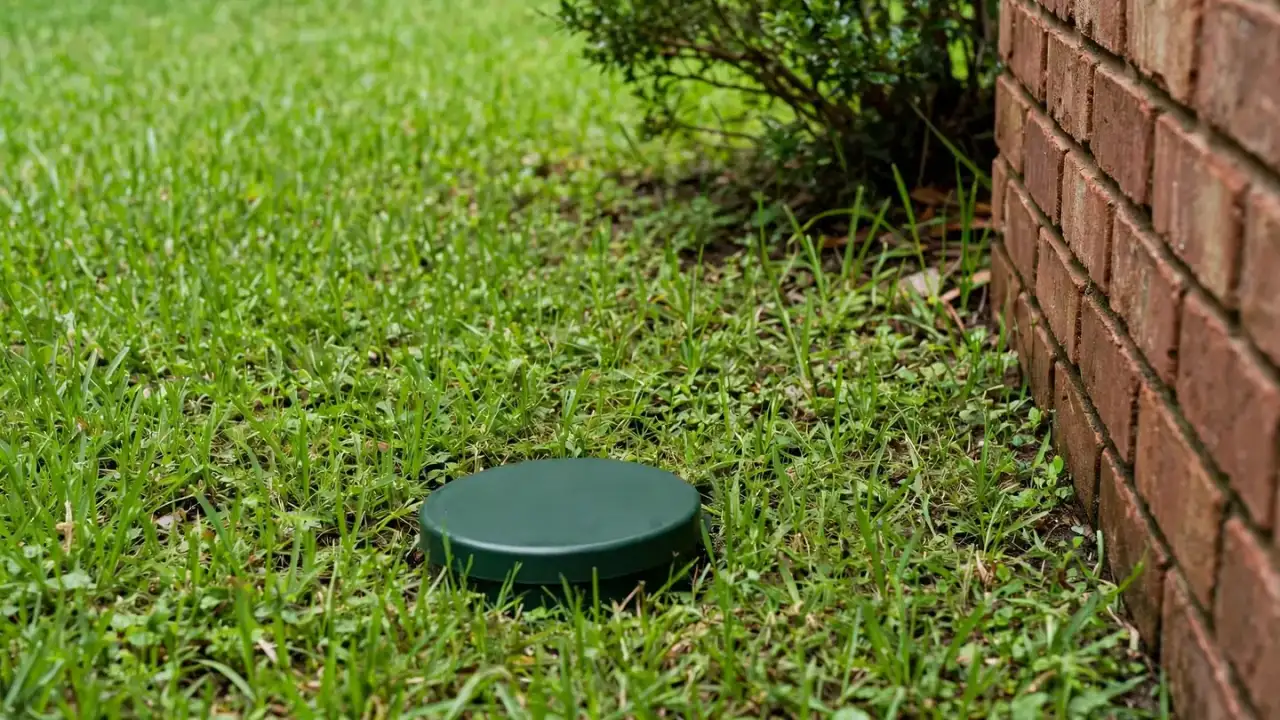
Baits suit houses surrounded by patios and driveways, yards with valued landscaping, homes with wells, ponds or gardens near the foundation, and Formosan colonies where reaching the colony matters. They require patience and a commitment to monitoring.
Combining both
When both are used
Some professionals combine methods: liquid treatment at known entry points for quick protection, with baits around the perimeter to work on the colony. This can suit heavy Formosan activity or houses where part of the perimeter cannot be trenched or drilled.
Making the choice
How to decide
- 1
Inspect
Know the termite type and where it is active.
- 2
Look at the perimeter
Soil, concrete and landscaping matter.
- 3
Consider the household
Wells, gardens, pets and health concerns.
- 4
Ask about follow-up
Monitoring, retreatment and warranty terms.
- 5
Get it in writing
A written plan for the chosen method.
Drywood termites
Neither method for drywood termites
Drywood termites live inside wood and do not travel through soil, so neither soil treatments nor in-ground baits reach them. Localized wood treatments or whole-structure fumigation are used instead.
Houston factors
Houston factors that tip the choice
Several conditions common in Houston influence the choice. Lots with concrete running up to the house favor baits, since a liquid treatment would mean drilling a lot of holes. Pier-and-beam houses with open soil around piers suit liquid treatments well. Heavy Formosan pressure in older neighborhoods often leads to baits or a combination. Flood-prone areas, where treated soil can be disturbed, may benefit from ongoing bait monitoring. Households with wells, ponds or gardens along the foundation often prefer baits.
Speed versus disturbance
Weighing speed against disturbance
If termites are actively damaging a house and you want results quickly, liquid treatment's speed is an advantage. If damage is limited and you want minimal disruption to landscaping and concrete, baits may suit better. Some owners start with a liquid treatment in the most active area and add baits around the rest.
Ongoing commitment
Ongoing commitment with each method
Liquid treatments involve a single treatment event, with inspections and retreatment as needed. Baits involve an ongoing service relationship with scheduled visits. Consider which suits your household. Both benefit from regular inspections and from keeping conditions dry around the house.
Warranties and terms
Warranties and service terms
Both methods often come with service terms or warranties. Read what each covers: retreatment, repairs, inspections, transfer at sale. Terms vary widely. Ask for them in writing before choosing.
Asking for a recommendation
Asking the professional for a recommendation
After an inspection, ask the professional which method they would choose for your house and why. A good answer refers to the termite type, the foundation, the surroundings and your household's concerns, not just a default approach.
Call about this problem
Questions about liquid treatment vs bait stations?
One call connects you with an independent termite treatment contractor who serves Houston.
Combining with prevention
Prevention matters with either method
Whichever method you choose, reducing the conditions termites like makes it work better. Fix leaks, keep gutters clear, direct water away from the foundation, keep mulch thin and away from the slab edge, and separate wood from soil. These steps help a liquid barrier last and reduce foraging pressure around bait stations.
Older and newer houses
Older and newer houses compared
Older pier-and-beam houses in neighborhoods like the Heights and Eastwood often have open soil around piers that suits liquid treatment, though baits are used too. Newer slab houses surrounded by concrete may lean toward baits. Houses with both a slab addition and an original raised section may use liquid for one and baits for the other.
Drywood exception
When drywood termites are also present
If an inspection finds drywood pellets as well as subterranean activity, the plan will include a separate drywood treatment alongside whichever soil method you choose. Neither liquid nor in-ground bait reaches drywood termites.
Changing methods later
Switching methods in the future
You are not locked into one method forever. Owners sometimes switch from baits to liquid or the reverse when they renovate, sell, or change providers. Discuss how a change would affect protection and existing agreements.
Flooded areas
Flood-prone areas and method choice
Floods can wash or bury treated soil. In flood-prone neighborhoods, some owners prefer bait monitoring that continues after a flood, or plan to retreat after significant flooding. Ask how the professional handles post-flood checks.
Questions on the call
Questions to ask on the call
Ask which method the professional usually recommends for houses like yours, how they decide, and whether they offer both. Ask what an inspection includes and how they will explain the options afterward. Ask for license numbers and whether plans and terms come in writing.
Second opinions
When to get a second opinion
If one professional recommends a method you are unsure about, a second inspection can help. Compare plans on coverage, product, follow-up and terms rather than on general impressions.
Bottom line
The bottom line for Houston homeowners
Both methods protect Houston homes when applied well and followed up. The better choice is the one matched to your termite type, your foundation, your yard and your household, and backed by a clear written plan.
Trial and review
Reviewing results after the first year
After a year, review how the chosen method has done: any swarms, new tubes or station hits, and what the professional found on inspections.
Comparison questions
Questions about choosing a method
Which method is better?
Neither is better everywhere. The house and termites decide.
Which is faster?
Liquid treatments usually act faster.
Which disturbs the yard less?
Bait stations.
What should I tell the professional?
The foundation, what surrounds it, and any wells, ponds or gardens.