
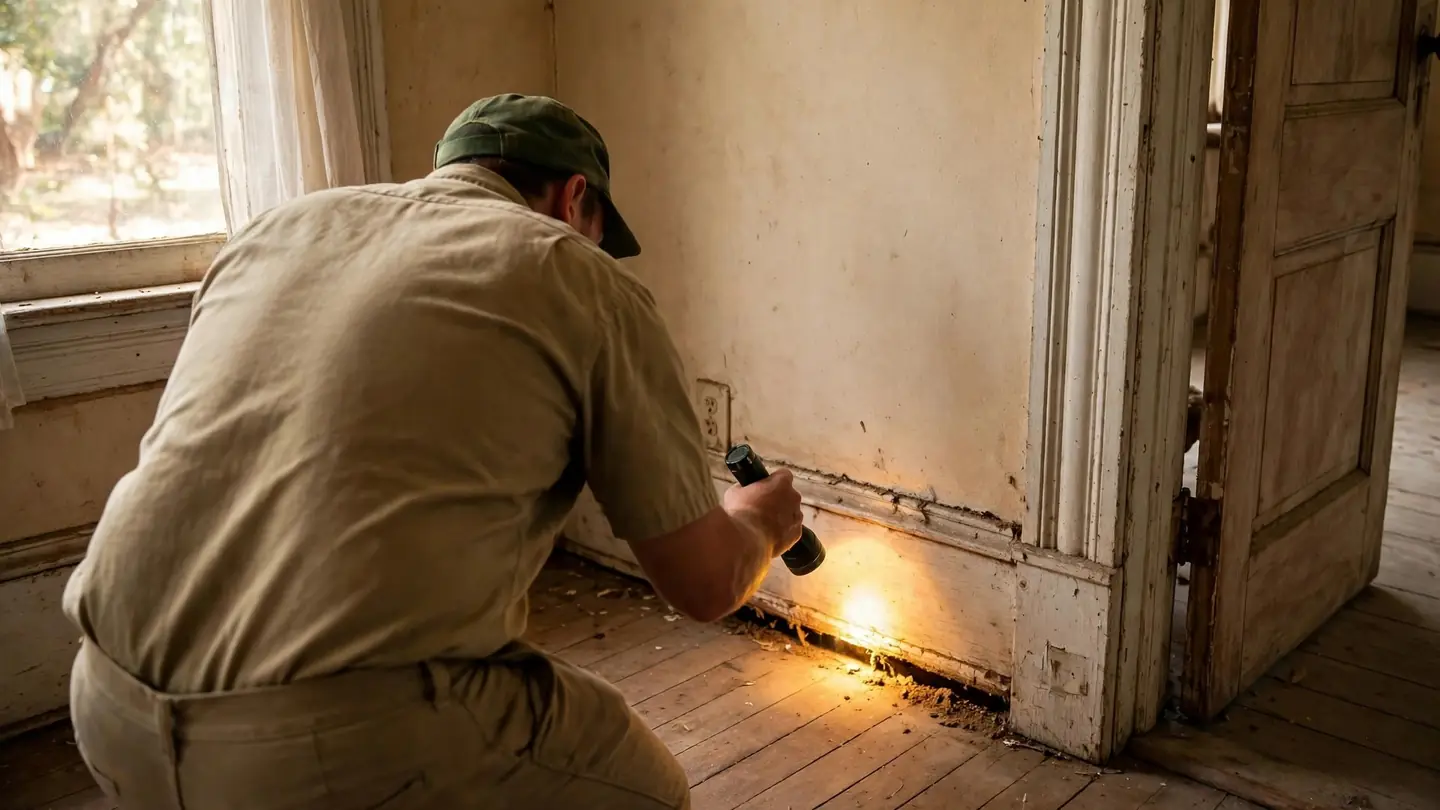
Houston, Texas termite treatment
Termite treatment in Houston, Texasswarmers, mud tubes and humid-season wood
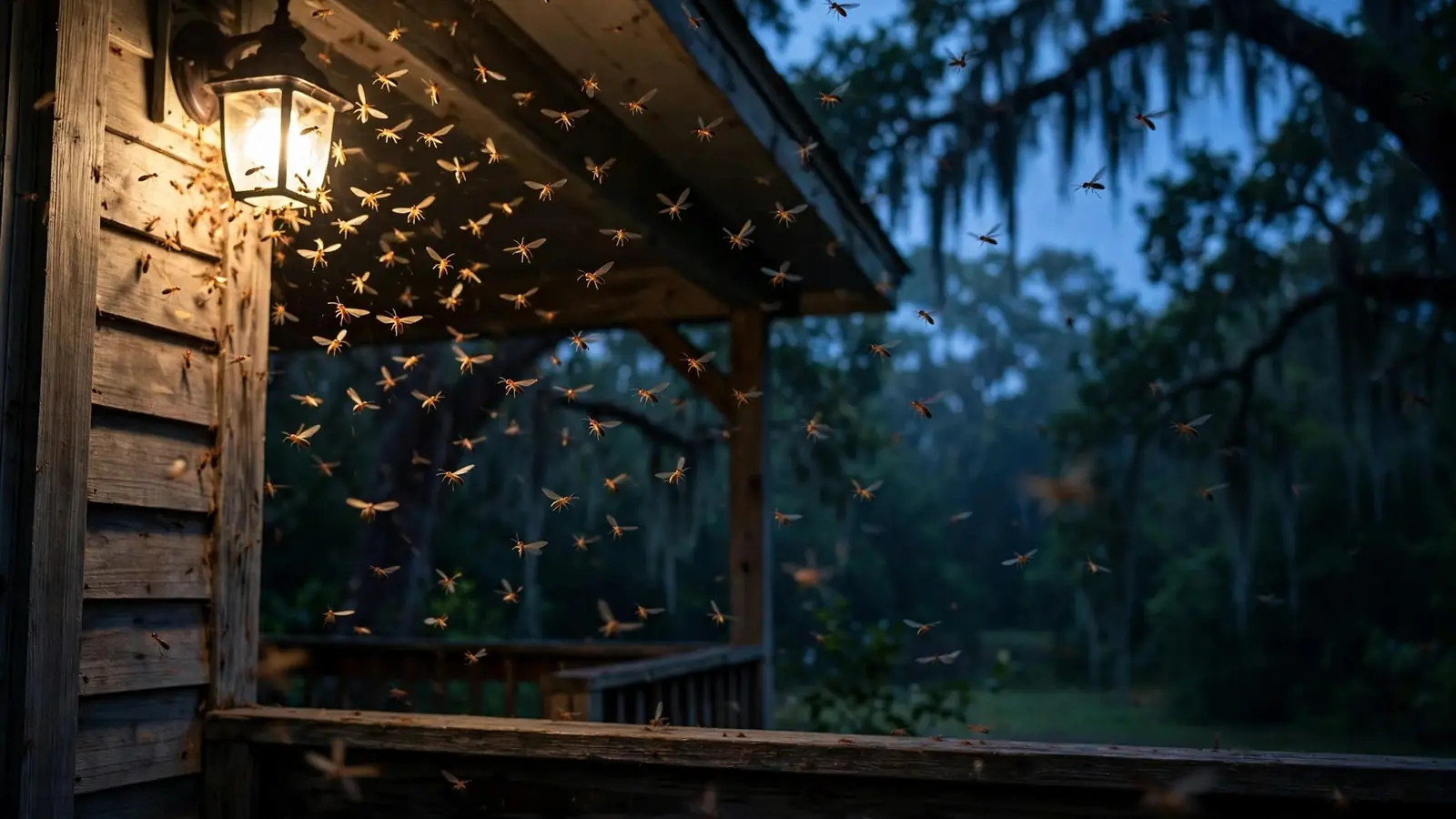
Winged insects around the porch light on a muggy spring night, a pencil-thin mud tube climbing the slab, or a baseboard that sounds hollow when you tap it. In Houston those signs often mean termites. Call, and your own call is connected to an independent licensed pest control professional who talks it through with you on that same call.
You are calling a referral line; independent licensed professionals do the work.
- Swarmers, mud tubes and hollow wood
- Inspections for homes and home sales
- Liquid barriers and bait systems
- No forms and no follow-up marketing
- Call-in onlyYour call goes straight to an independent pest control professional. Nothing to fill in.
- Gulf Coast awareWritten around humid Houston homes, slab and pier-and-beam alike.
- Rules explainedTexas licensing and treatment basics in plain terms.
- Honest optionsInspection, liquid barriers, baits and wood repair compared without pressure.
Key facts: Termite treatment in Houston, Texas
- The Formosan subterranean termite, an invasive species from southern China, has been reported in Texas and other southern states [1].
- North America's most widespread termite is the native eastern subterranean species, and mature colonies can hold hundreds of thousands to millions of workers [2].
- The US EPA lists liquid soil-applied termiticides and termite baits among the approved treatment approaches [3].
- In Texas, the Department of Agriculture's Structural Pest Control Service licenses people who apply pesticides in and around structures [4].
What we connect you for
Termite services across Houston
Inspection, liquid barrier treatment, bait station systems and wood damage assessment. Every call goes to an independent licensed pest control professional who explains what they would do and why.
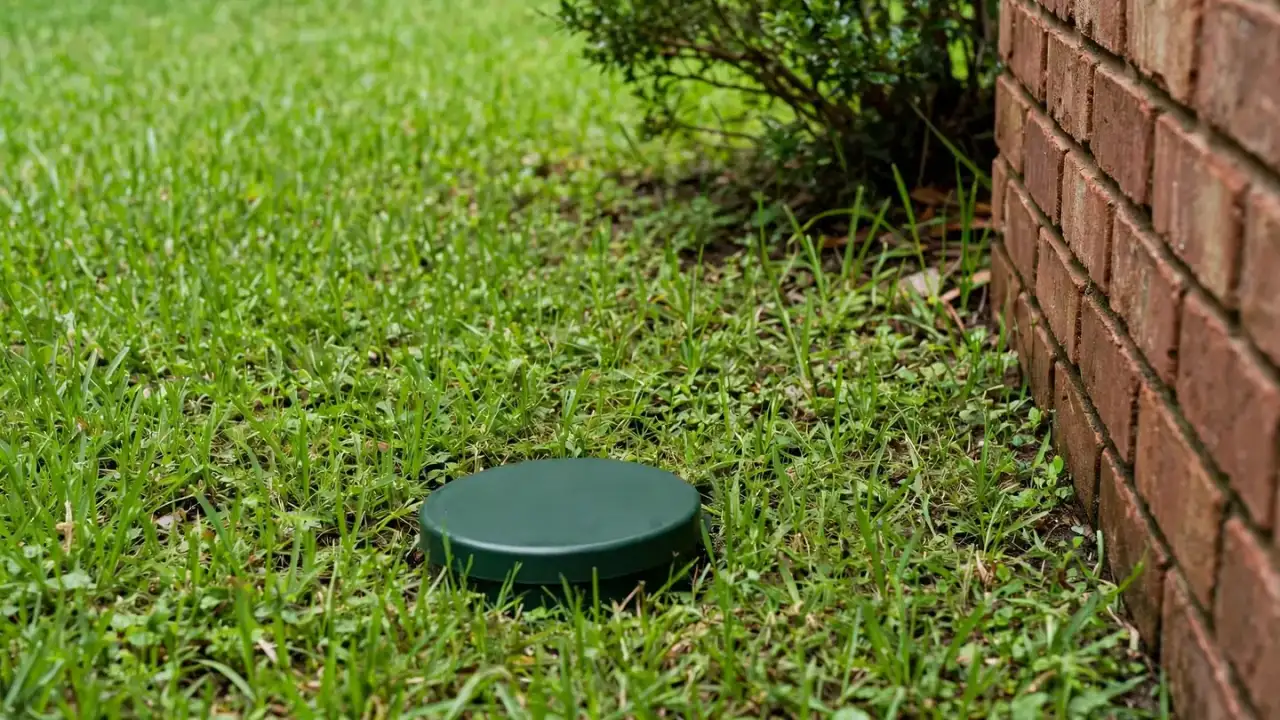
Bait Station Systems
How termite bait station systems work around Houston homes: station placement, monitoring, colony elimination, Formosan termites and upkeep.
Explore service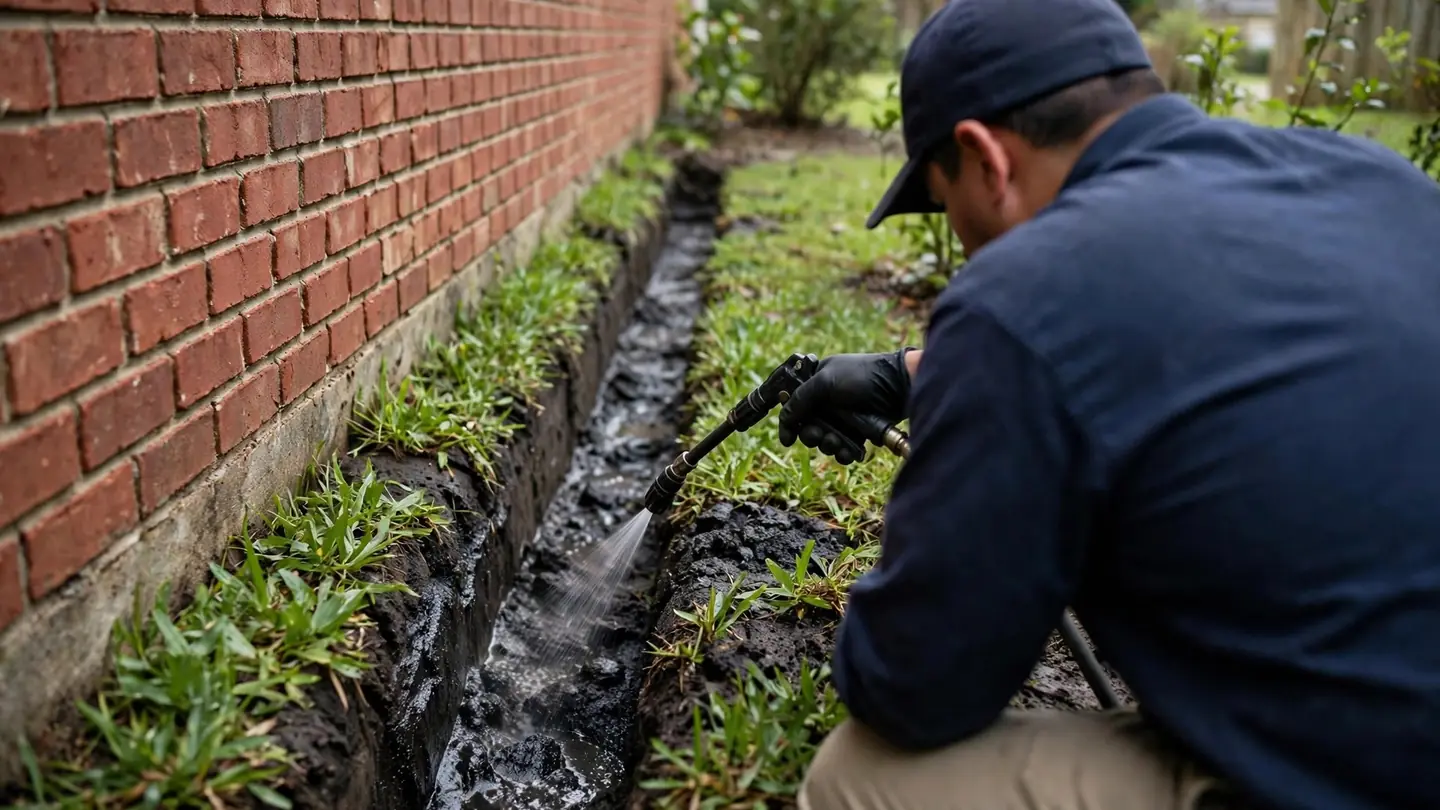
Liquid Barrier Treatment
How liquid termite barrier treatment works on Houston homes: trenching, rodding, drilling slabs and patios, product choice and what to expect.
Explore service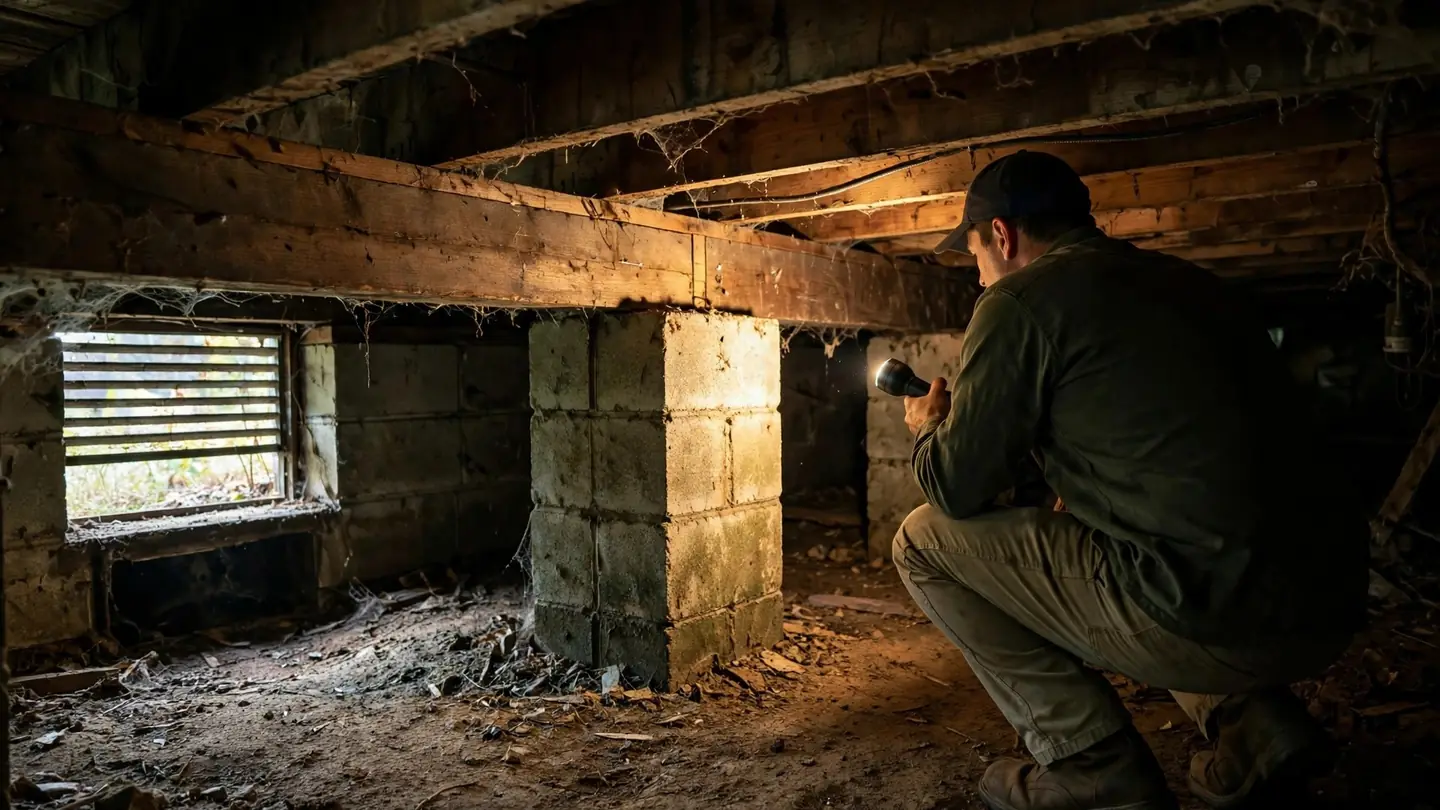
Termite Inspection
What a Houston termite inspection covers: slab edges, piers, baseboards, plumbing penetrations, moisture, mud tubes and reports for home sales.
Explore service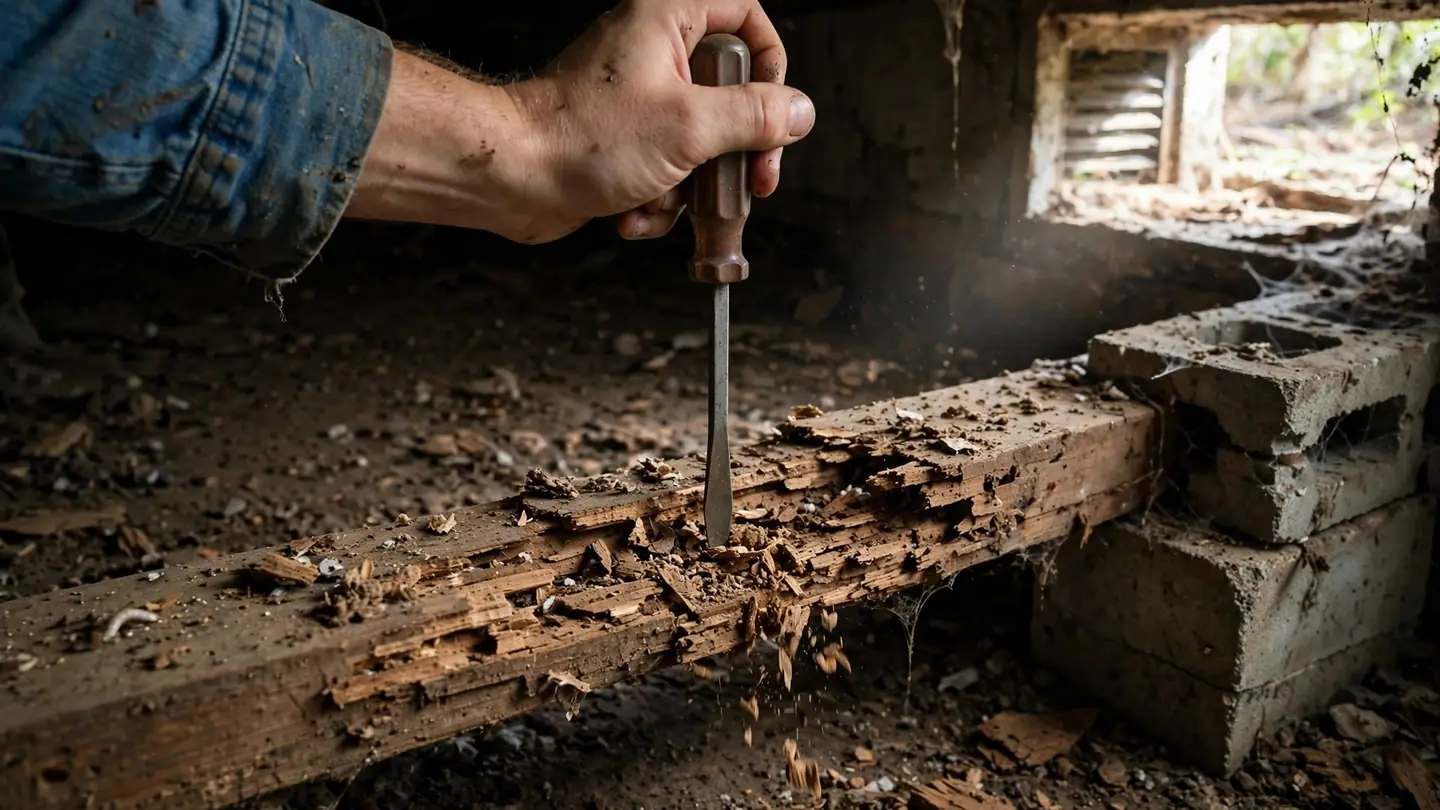
Wood Damage Assessment
How termite wood damage is assessed in Houston homes: probing, sill plates, joists, trim and framing, and when a carpenter or engineer should look.
Explore service
Spot the problem
What are you seeing around the house?
Pick the sign that matches what you found. Each guide explains what it usually means and what a termite professional checks first.
Winged insects inside or at lights
Spring swarms are the most visible sign of a nearby colony.
Read moreThin mud tubes on the foundation
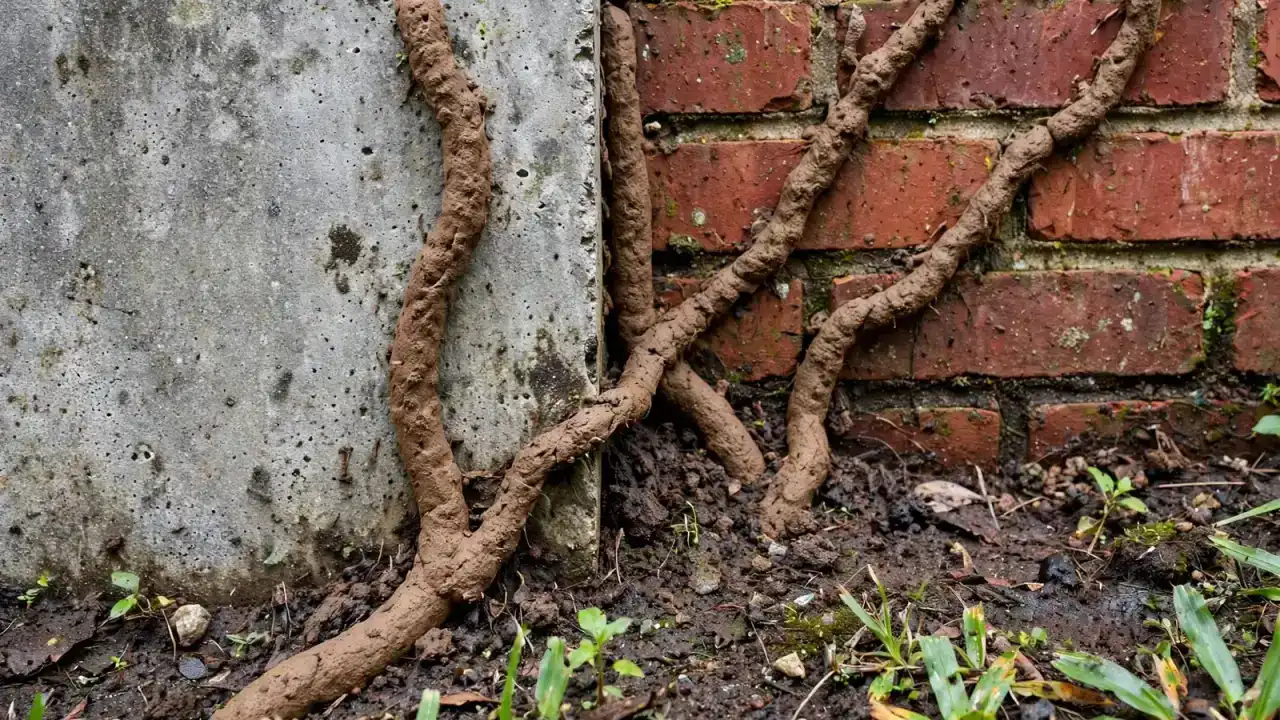
Subterranean termites build them to travel from soil to wood.
Read moreHollow wood, blistered paint, pellets
Damage often hides behind a painted surface.
Read moreGetting ready for treatment
What to move, clear and expect before the crew arrives.
Read moreChoosing a treatment method
Liquid barrier or bait stations, and where each fits.
Read more
How termite pros find the problem
What a termite professional checks first in a Houston home
A Houston termite inspection starts outside. The inspector walks the perimeter looking at the slab edge or the piers and skirting, the spots where soil, mulch or paving touches the house, and every place water collects. Mud tubes, damp wood, cracks in the slab and gaps around plumbing are the main targets.
Inside, they look along baseboards, door frames, window sills and the garage, tap and probe wood that looks blistered or soft, and check bathrooms and the kitchen where plumbing passes through the slab. Under a raised house, they crawl the space with a flashlight, checking sill plates, joists and piers. A moisture meter helps find wet areas that attract termites.
- Perimeter, slab edge and piers
- Baseboards, door frames and window sills
- Plumbing penetrations and damp spots
- Wood probed and moisture readings taken
If a swarm is happening right now
- Do not spray the swarmers with household bug spray and assume the problem is solved
- Collect a few insects or wings in a sealed bag or jar
- Note where they came from: a window, a wall, a door frame, a slab crack
- Keep children and pets away from any area you suspect is weakened
Illustrative treatment
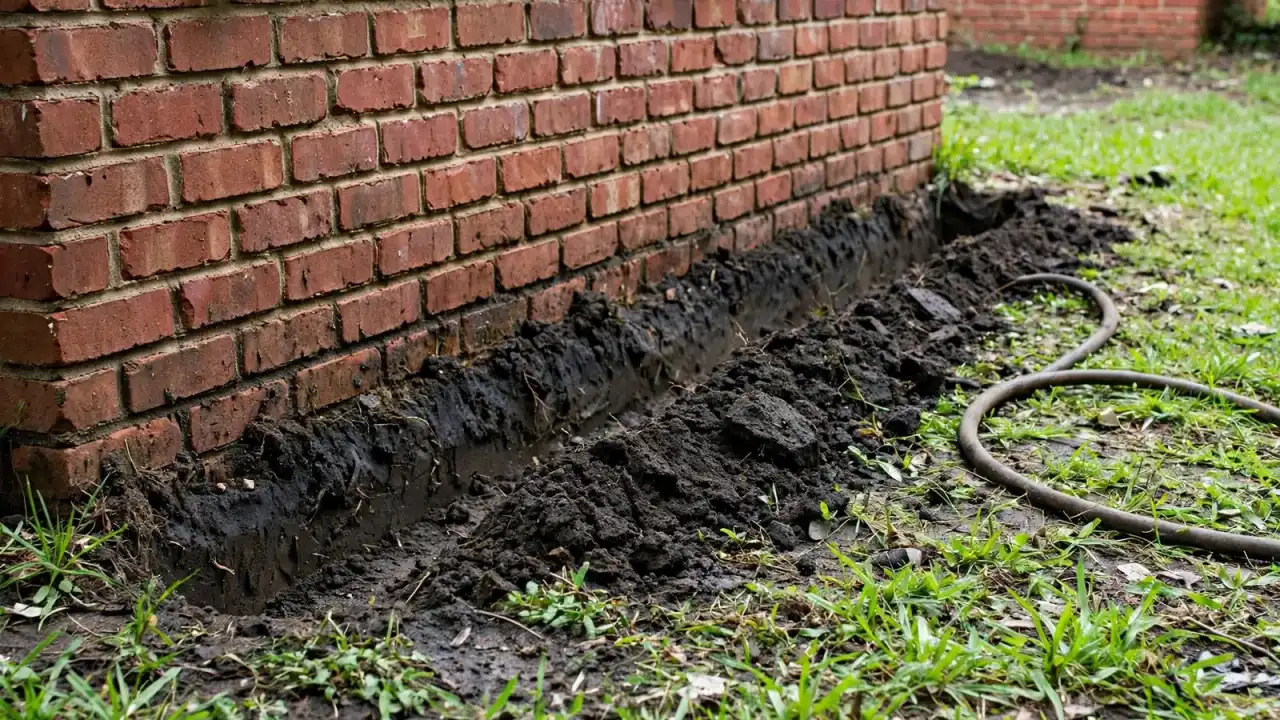
From bare soil to a treated perimeter
An example of the trench used for a liquid barrier treatment. Illustrative image, not a record of a specific job.
 BeforeAfter
Your call, step by step
How a call to this line works
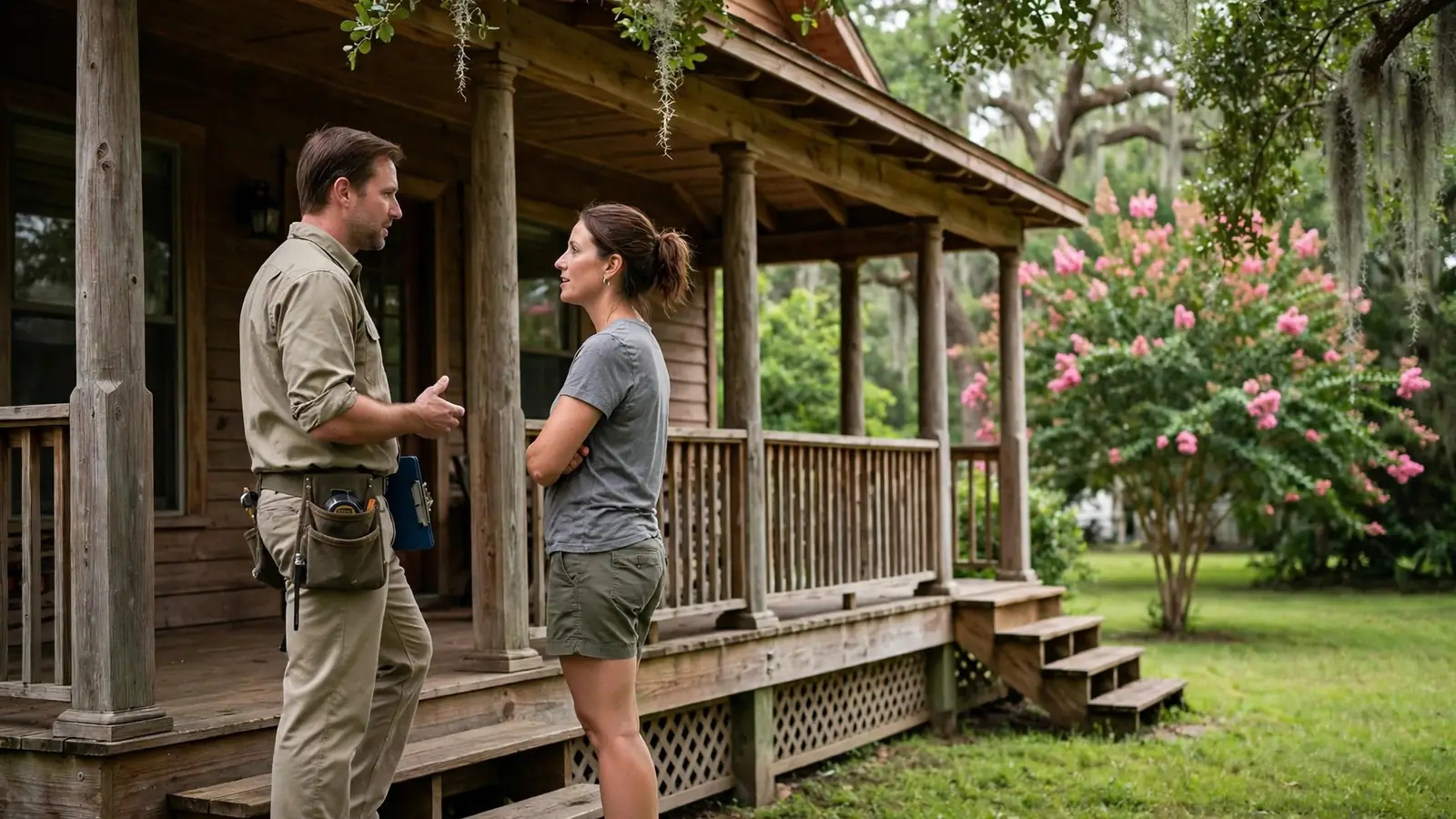
When you call the number on this site, you are not filling in a form or waiting for a callback. Your own call is connected to an independent licensed pest control professional who serves your part of Houston. You describe what you found, they ask questions about the house, and they tell you what they would check and what treatment approaches might fit.
If you decide to arrange an inspection or treatment, that is agreed between you and them on the call. We never receive a list of callers to contact later, and nobody will call, text or email you because you phoned.
- Nothing to sign up for
- You talk with the professional on your own call
- Visits are arranged between you and them
From call to protected house
What typical Houston termite work involves
- 1
Your call
You describe what you saw and the house. The professional says what they would check.
- 2
Inspection
If you arrange a visit, the house is inspected inside and out.
- 3
Identification
The termite type is identified, because subterranean, Formosan and drywood termites are handled differently. [1]
- 4
Plan
Liquid barrier, bait stations, spot treatment or a combination is explained in writing.
- 5
Treatment
The work is done, with drilling through slabs or patios where needed.
- 6
Follow-up
Bait stations are monitored, and damaged wood is assessed for repair.
Before and after ideas
Three common Houston termite jobs
AI illustrations of the change each kind of termite work aims for. None of them shows a real Houston job.
- BeforeAfter
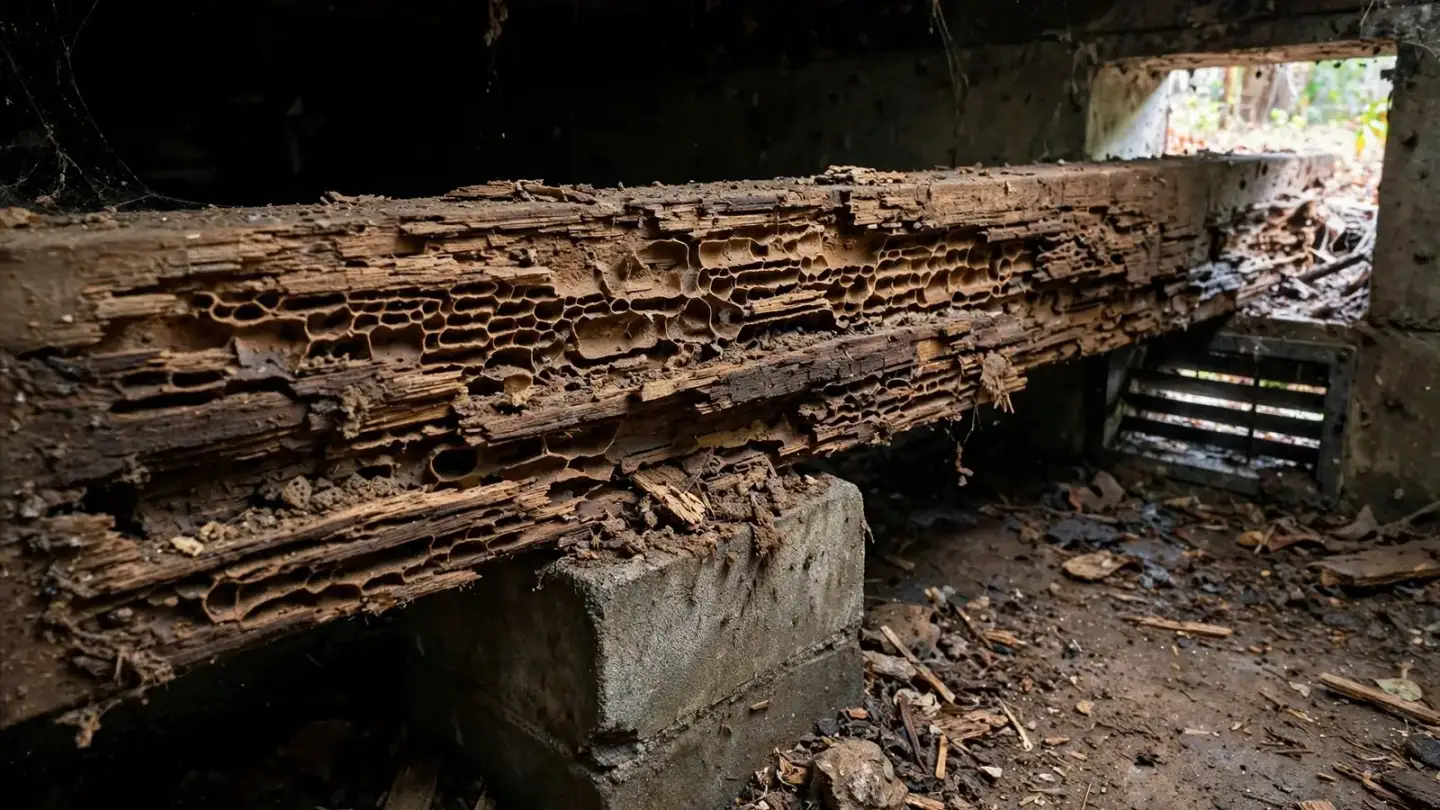
Damaged sill
Galleries eaten through a sill plate.
- BeforeAfter
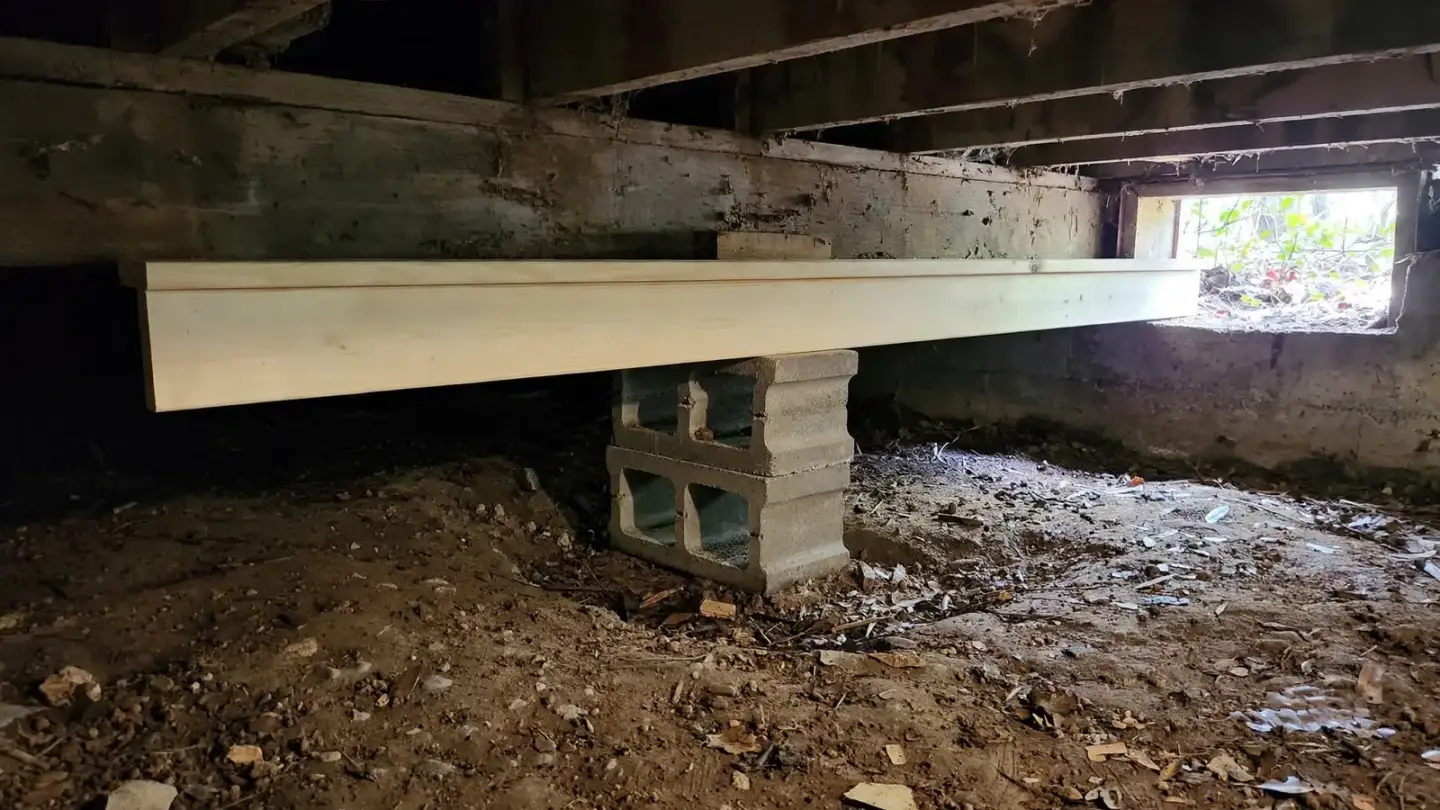
Wood replaced
A carpenter's repair after treatment.
- BeforeAfter
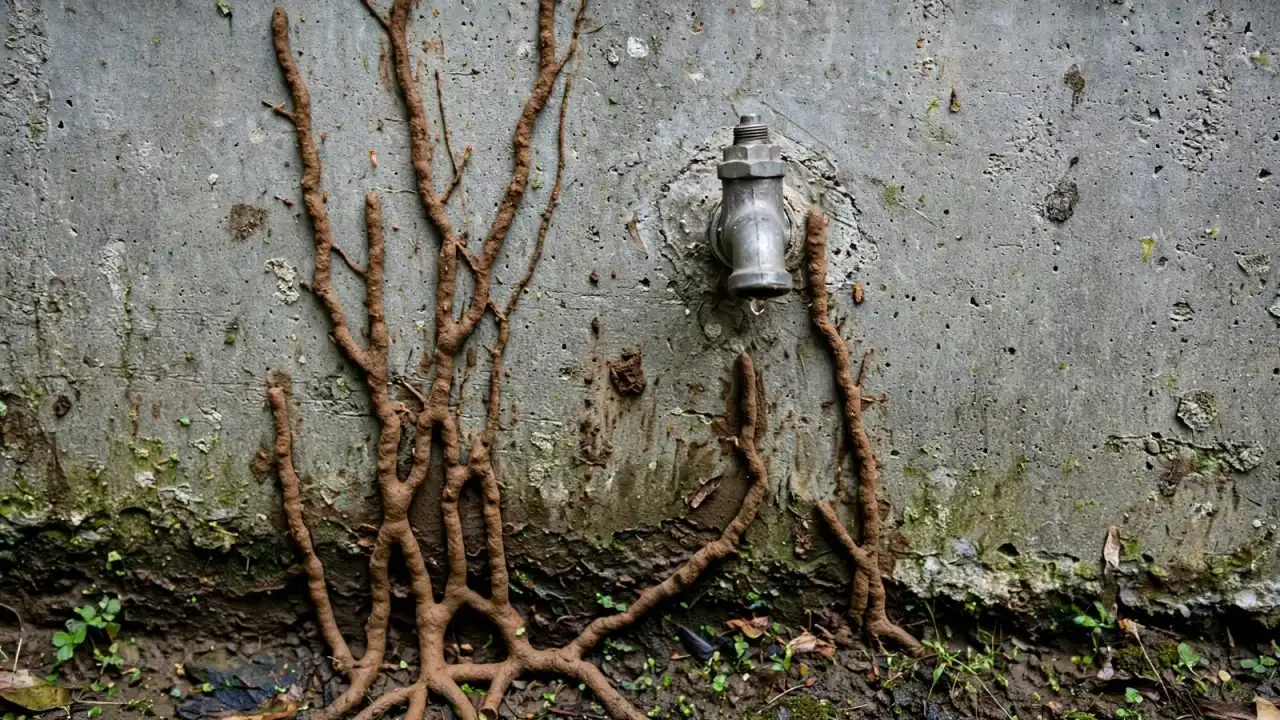
Mud tubes
Active tubes near a damp spot.
- BeforeAfter
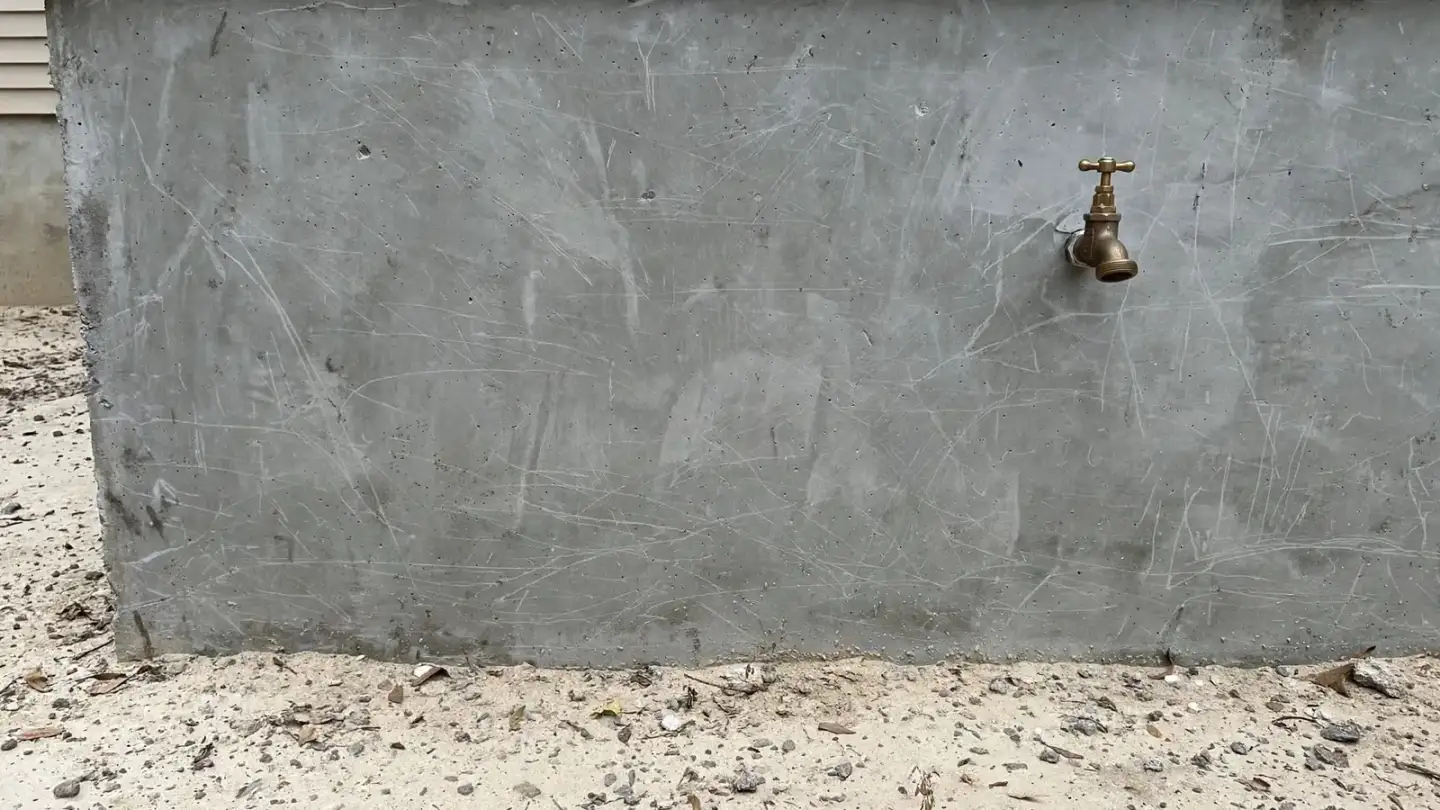
Treated perimeter
Tubes gone after treatment.
- BeforeAfter
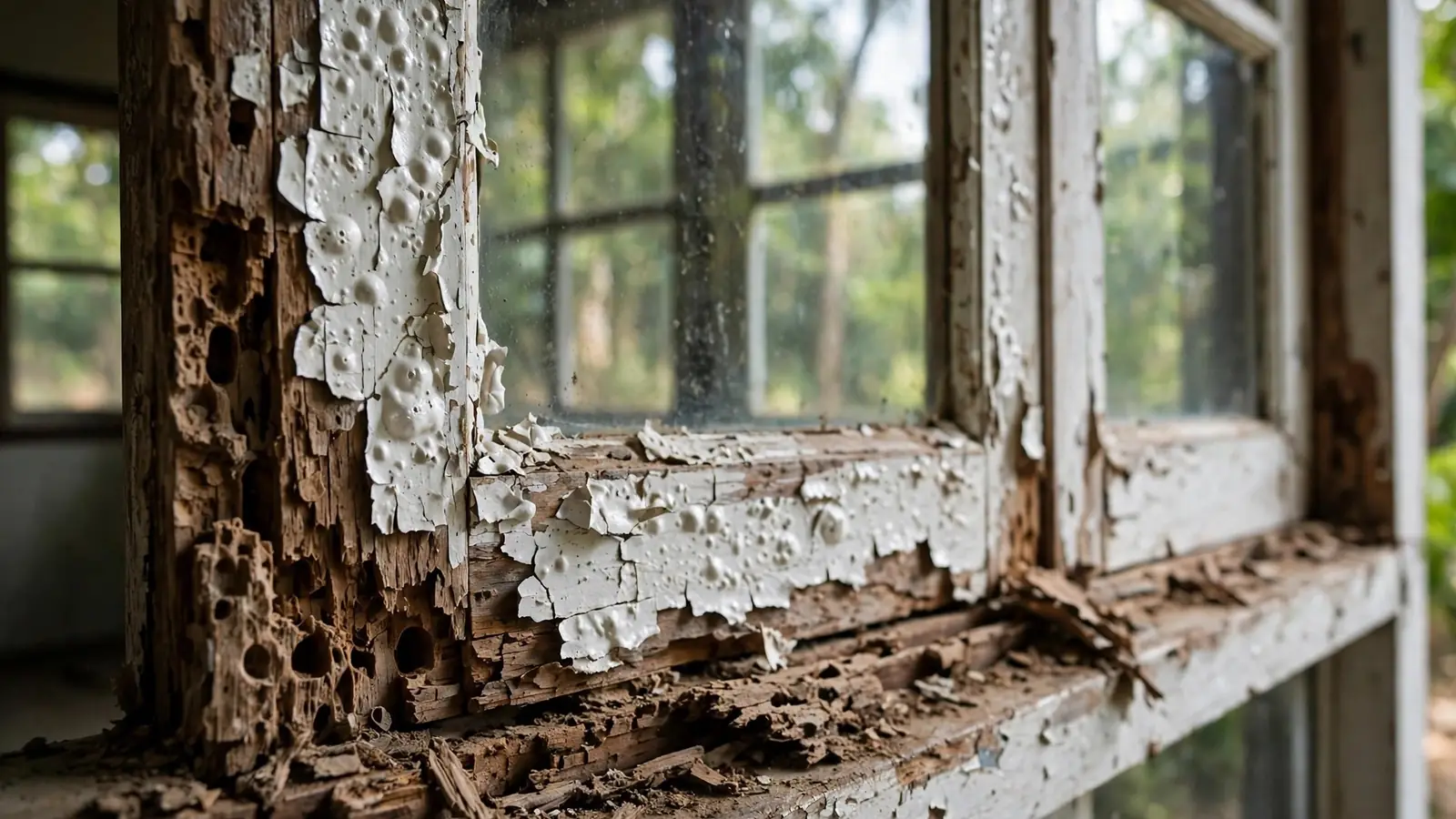
Hidden damage
Paint blistering over eaten wood.
- BeforeAfter
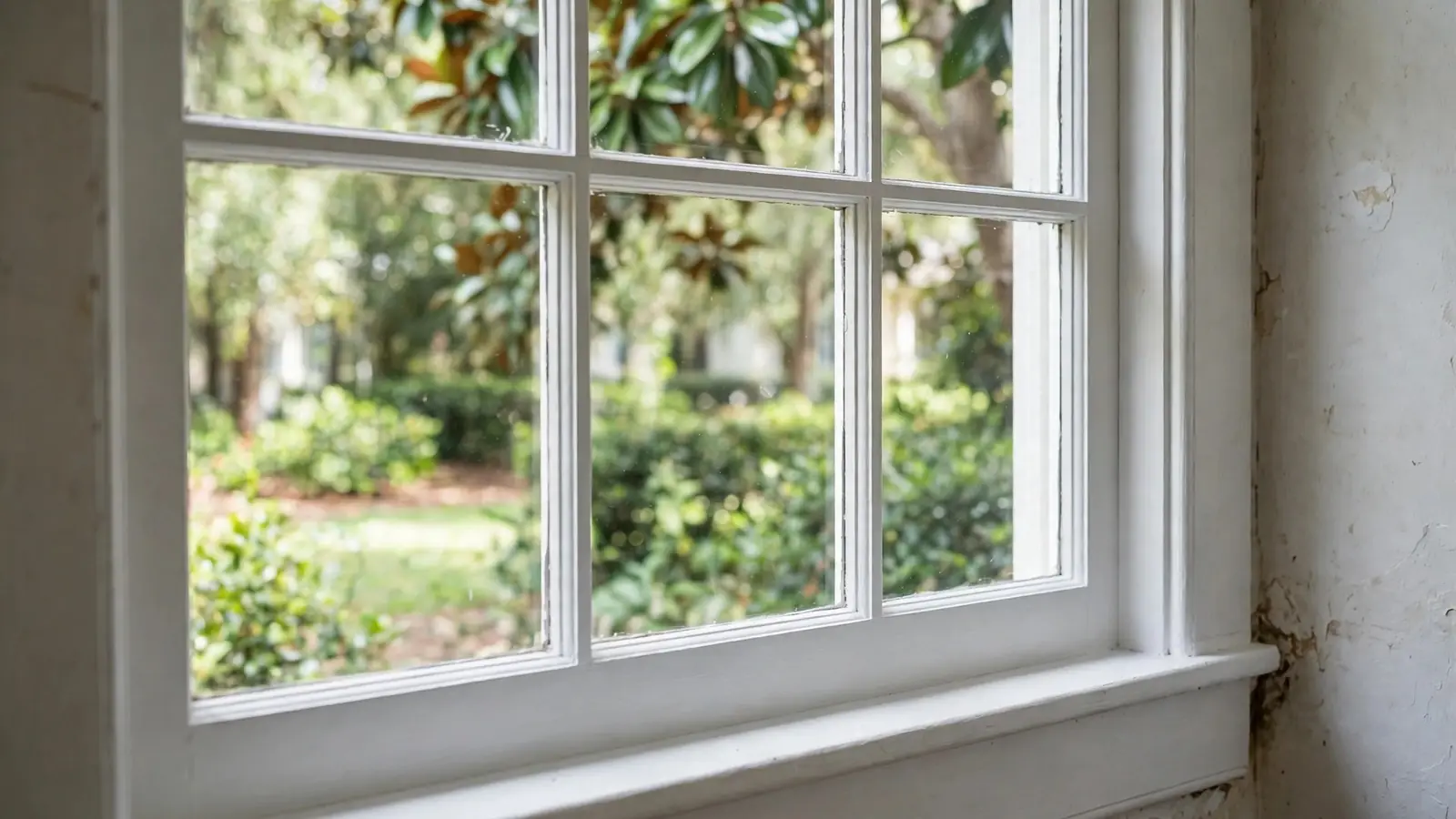
Trim repaired
Wood replaced once termites were treated.
Illustrative images. Every installation depends on the space and the equipment chosen.
Which treatment fits?
Matching the treatment to the situation
| Situation | Usually points to | Why |
|---|---|---|
| Subterranean termites, accessible perimeter | Liquid barrier | Treats the soil termites travel through |
| Slab with many penetrations, landscaping to protect | Bait stations | Less drilling and trenching |
| Formosan activity | Baits or liquid, often both | Large colonies call for colony-level control |
| Drywood pellets in one area | Localized wood treatment or tenting | Drywood termites live inside the wood |
| Damage found in a crawlspace | Treatment then wood assessment | Structure checked after termites are controlled |
Neighborhoods
Houston neighborhoods we connect callers in
Coverage follows the pest control network's Houston ZIP codes. Each neighborhood page explains housing age, foundations, trees and moisture there.
 Service area
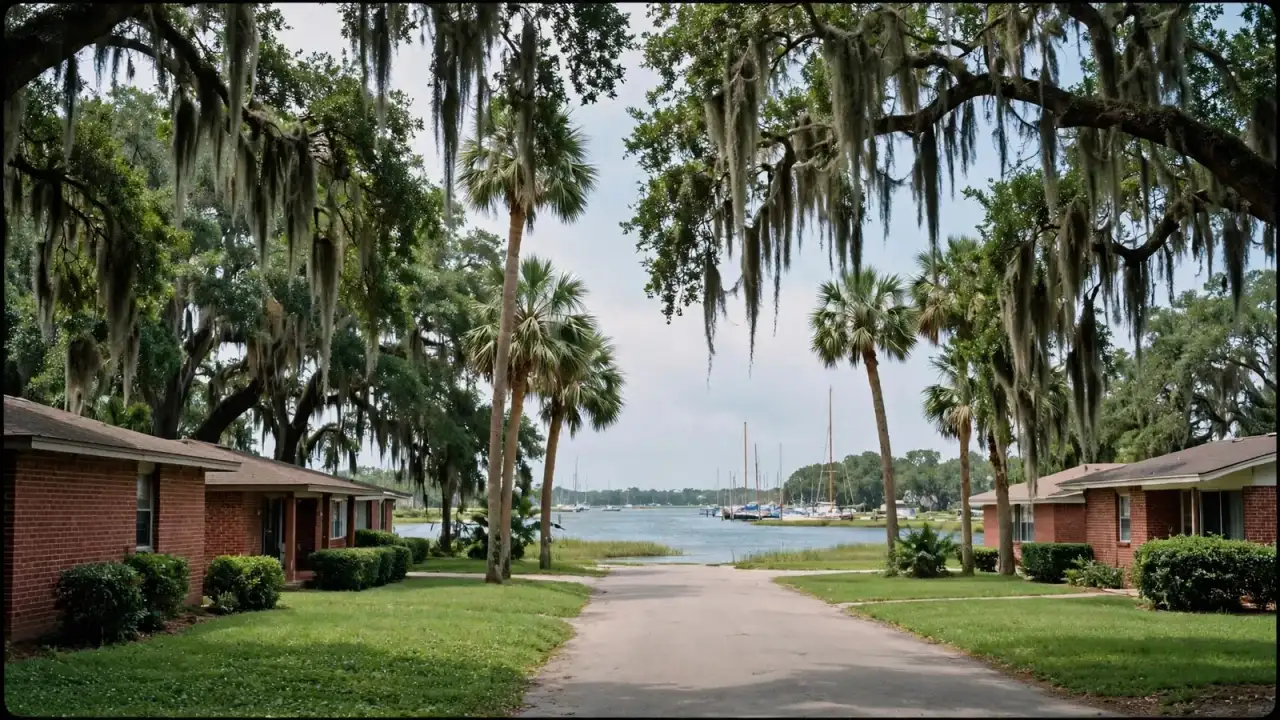
Clear Lake
Termite help for Clear Lake near NASA and Galveston Bay: 1960s-1980s slab homes, humid bay air, wooden fences and decks, and coastal storms.
Learn more Service area
Eastwood
Termite help for Eastwood in Houston's East End: 1910s-1930s Craftsman bungalows on piers, deep wooden porches, old trim and big trees.
Learn more Service area
Garden Oaks and Oak Forest
Termite help for Garden Oaks and Oak Forest: 1930s-1950s homes on big wooded lots, oaks, pines and pecans, and teardowns beside older houses.
Learn more Service area
Houston Heights
Termite help for Houston Heights: 1890s-1930s wood homes on piers, crawlspaces, big live oaks, renovations and spring Formosan swarms.
Learn more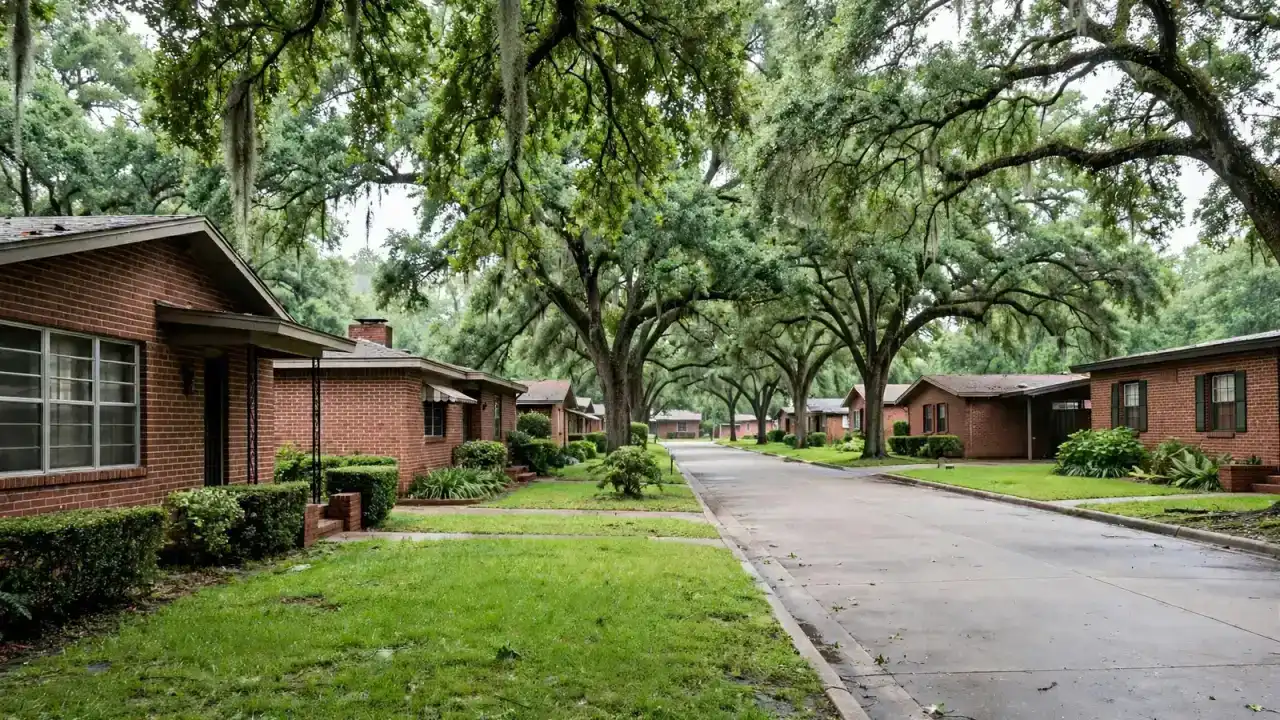 Service area
Meyerland
Termite help for Meyerland: 1950s-1960s slab ranches near Brays Bayou, flood-soaked wood, raised and rebuilt homes, and disturbed soil.
Learn more Service area
Montrose
Termite help for Montrose: 1910s-1930s bungalows, duplexes and garage apartments, dense trees, renovations and historic district homes.
Learn more
The three main types
Subterranean, Formosan and drywood termites
Subterranean termites live in the soil and build mud tubes to reach wood. They swarm in spring, often during the day after rain. Formosan termites are also subterranean but form much larger colonies, swarm on warm, humid evenings around lights, and can build nests inside walls when moisture is available. Drywood termites live entirely inside the wood they eat, need no soil contact and leave small, hard pellets as evidence.
Identifying the type matters because treatments differ. A soil barrier or baits target subterranean and Formosan colonies; drywood termites usually call for treating the infested wood or the whole structure. The Houston termite guides explain how to tell them apart from what you find around the house.
Why Houston
Why termites thrive around Houston homes
Houston's long, warm, humid seasons suit termites. Soils stay moist for much of the year, heavy rain can soak the ground around foundations, and mature trees, wooden fences and mulch beds give colonies food and cover close to the house. The Formosan termite, an invasive species whose eggs need warm temperatures to hatch, has a hold in southern states including Texas. Native eastern subterranean termites are widespread too, and drywood termites turn up in coastal areas. [2]
Housing adds to the picture. Older neighborhoods have wood-frame houses on pier-and-beam foundations, where wood sits close to the soil. Newer slab homes are not immune: termites can travel through hairline cracks, expansion joints and gaps around pipes that pass through the slab.
What we never claim
What this site does not promise
This site does not set or quote what treatments run, and it does not promise arrival times, guarantees or warranties. Those are matters between you and the independent professional you speak with. Ask them directly about warranty terms, retreatment and monitoring before you agree to anything.
Quick questions
Common questions from Houston callers
Still have a question?
Send us the details and we'll point you the right way.
Call NowNumber coming soonAre the winged insects in my house termites or ants?
Termite swarmers have straight antennae, a thick waist and wings of equal length. Flying ants have elbowed antennae, a pinched waist and uneven wings.
Does finding swarmers mean my house is infested?
Not always, but it means a colony is close. Swarmers emerging indoors point strongly to activity inside the structure.
Can termites get into a slab house?
Yes, through cracks, expansion joints and gaps around plumbing that passes through the slab.
Is a liquid treatment or bait station better?
Each fits different situations. A professional explains which suits your house after an inspection.
Who licenses termite professionals in Texas?
The Texas Department of Agriculture's Structural Pest Control Service licenses people who apply pesticides in and around structures. [4]
What happens when I call?
Your call connects to an independent licensed pest control professional and you speak with them directly. We do not collect your details or call you back.
One call
Tell a termite professional what you found
Describe the signs and the house, and an independent licensed professional will explain what to check and what comes next.
Sources and citations
Keep reading